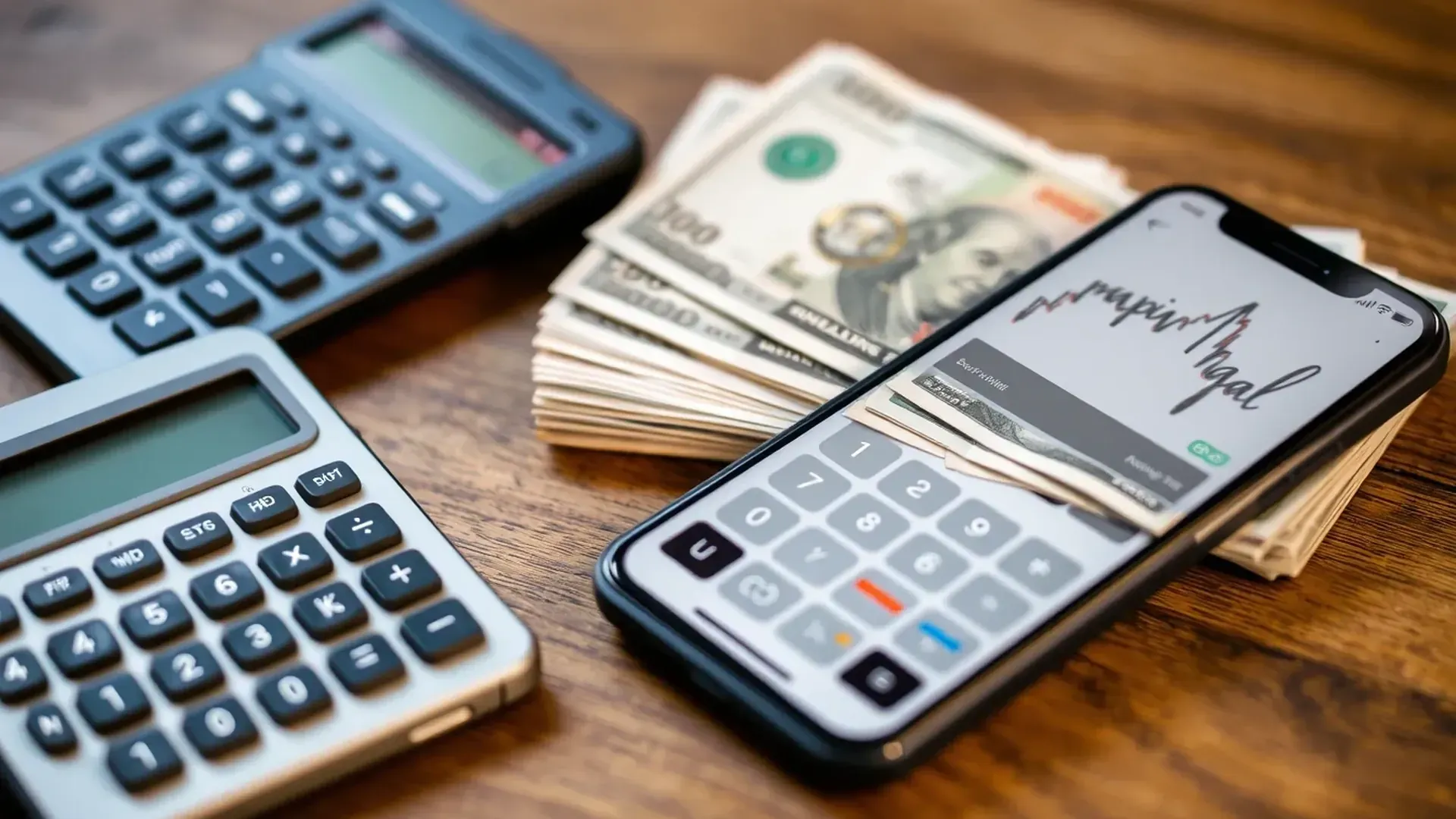
Blockchain technology has gained significant attention in recent years, revolutionizing various industries, including finance and trading. In the realm of forex trading, blockchain transactions offer several potential benefits, such as increased transparency, enhanced security, and reduced costs. However, like any emerging technology, there are risks associated with blockchain transactions in forex trading that traders should be aware of. This article aims to provide an introduction to these risks, highlighting the importance of understanding and managing them effectively.
Potential Risks of Blockchain Transactions in Forex Trading
Blockchain technology has gained significant attention in recent years, and its potential applications in various industries are being explored. One area where blockchain has made its mark is in forex trading. While blockchain transactions offer several advantages, it is essential to be aware of the potential risks associated with them.
One of the primary risks of blockchain transactions in forex trading is the possibility of hacking. Blockchain technology is known for its security features, but it is not entirely immune to cyber attacks. Hackers are constantly evolving their techniques, and if they manage to breach the blockchain network, they can manipulate transactions and steal sensitive information.
Another risk is the lack of regulation in the blockchain space. Unlike traditional financial systems, blockchain transactions are not governed by any central authority. While this decentralization is one of the key benefits of blockchain, it also means that there is no regulatory body to oversee and protect the interests of traders. This lack of regulation can leave traders vulnerable to fraudulent activities and scams.
Furthermore, the volatility of cryptocurrencies is a significant risk in blockchain transactions. Forex trading involves the exchange of different currencies, including cryptocurrencies like Bitcoin and Ethereum. These digital currencies are known for their price fluctuations, which can be extreme at times. Traders who engage in blockchain transactions must be prepared for the possibility of significant losses due to the volatile nature of cryptocurrencies.
Additionally, the irreversible nature of blockchain transactions poses a risk in forex trading. Once a transaction is recorded on the blockchain, it cannot be reversed or altered. While this feature ensures transparency and immutability, it also means that if a trader makes a mistake or falls victim to a scam, there is no way to recover the funds. This lack of recourse can be a significant concern for traders, especially when dealing with large sums of money.
Moreover, the scalability issues of blockchain technology can hinder forex trading. As the number of transactions on the blockchain network increases, the system can become slower and less efficient. This can lead to delays in executing trades and processing transactions, which can be frustrating for traders who rely on timely execution to take advantage of market opportunities.
Lastly, the complexity of blockchain technology itself can be a risk for forex traders. While blockchain offers numerous benefits, understanding its intricacies and implementing it in forex trading requires technical expertise. Traders who are not well-versed in blockchain technology may struggle to navigate the complexities, increasing the risk of making mistakes or falling victim to scams.
In conclusion, while blockchain transactions offer several advantages in forex trading, it is crucial to be aware of the potential risks associated with them. Hacking, lack of regulation, volatility of cryptocurrencies, irreversibility of transactions, scalability issues, and the complexity of blockchain technology are all factors that traders should consider before engaging in blockchain transactions. By understanding and mitigating these risks, traders can make informed decisions and protect their investments in the ever-evolving world of forex trading.
Security Concerns in Blockchain Transactions for Forex Trading
Blockchain technology has gained significant attention in recent years, and its potential applications in various industries are being explored. One such industry that has shown interest in blockchain is forex trading. However, like any new technology, blockchain transactions in forex trading come with their own set of risks and security concerns.
One of the primary security concerns associated with blockchain transactions in forex trading is the risk of hacking. While blockchain technology is known for its security features, it is not entirely immune to hacking attempts. Hackers are constantly evolving their techniques, and there have been instances where blockchain networks have been compromised. This poses a significant risk to forex traders who rely on blockchain transactions for their trades.
Another security concern is the risk of fraud. Blockchain transactions are designed to be transparent and immutable, but that does not mean they are foolproof. There have been cases where individuals have manipulated blockchain transactions to their advantage, resulting in fraudulent activities. Forex traders need to be cautious and ensure that they are dealing with reputable blockchain platforms to minimize the risk of falling victim to fraud.
Additionally, there is a risk of regulatory challenges associated with blockchain transactions in forex trading. The regulatory landscape surrounding blockchain technology is still evolving, and different countries have different regulations in place. This lack of uniformity can create confusion and uncertainty for forex traders who want to engage in blockchain transactions. It is essential for traders to stay updated with the latest regulations and ensure compliance to avoid any legal issues.
Furthermore, there is a risk of technical glitches and system failures in blockchain transactions for forex trading. While blockchain technology is touted for its reliability, it is not entirely immune to technical issues. Network congestion, software bugs, and hardware failures can disrupt blockchain transactions, leading to delays or even loss of funds. Forex traders need to be prepared for such scenarios and have contingency plans in place to mitigate the impact of technical glitches.
Another risk associated with blockchain transactions in forex trading is the potential for privacy breaches. While blockchain transactions are pseudonymous, meaning that the identities of the parties involved are not directly revealed, it is still possible to trace transactions back to individuals. This poses a risk to forex traders who value their privacy and do not want their trading activities to be publicly accessible. Traders need to be aware of the privacy implications of blockchain transactions and take necessary precautions to protect their identities.
In conclusion, while blockchain technology holds promise for revolutionizing forex trading, it is not without its risks and security concerns. Forex traders need to be aware of the potential risks associated with blockchain transactions, such as hacking, fraud, regulatory challenges, technical glitches, and privacy breaches. By staying informed, taking necessary precautions, and using reputable blockchain platforms, traders can minimize these risks and enjoy the benefits that blockchain technology brings to forex trading.
Regulatory Challenges in Blockchain Transactions for Forex Trading
Blockchain technology has revolutionized many industries, including the world of forex trading. With its decentralized and transparent nature, blockchain offers a secure and efficient way to conduct transactions. However, like any new technology, there are risks associated with blockchain transactions in forex trading that need to be addressed.
One of the main regulatory challenges in blockchain transactions for forex trading is the lack of oversight. Unlike traditional financial institutions that are subject to strict regulations, blockchain operates in a decentralized manner, making it difficult for regulators to monitor and control transactions. This lack of oversight can lead to potential risks such as fraud, money laundering, and market manipulation.
Another regulatory challenge is the anonymity of blockchain transactions. While anonymity can be seen as a positive aspect in terms of privacy, it also opens the door for illegal activities. Without proper identification and verification processes, it becomes easier for criminals to engage in illicit activities, such as funding terrorism or conducting illegal trades. This poses a significant risk to the integrity of the forex market and the safety of investors.
Furthermore, the global nature of blockchain transactions presents challenges in terms of jurisdiction and legal frameworks. With transactions occurring across borders, it becomes difficult to determine which laws and regulations apply. This lack of clarity can create a regulatory vacuum, leaving investors vulnerable to scams and fraudulent activities.
In addition to regulatory challenges, there are also technical risks associated with blockchain transactions in forex trading. One such risk is the potential for hacking and cyber attacks. While blockchain technology is known for its security features, it is not immune to breaches. Hackers can exploit vulnerabilities in the system and gain unauthorized access to funds or manipulate transactions. This can result in significant financial losses for investors.
Moreover, the complexity of blockchain technology itself poses a risk. As a relatively new and evolving technology, there is a learning curve for both traders and regulators. Lack of understanding and knowledge can lead to mistakes and errors in transactions, potentially causing financial losses. It is crucial for traders and regulators to stay updated and educated on the latest developments in blockchain technology to mitigate these risks.
To address these regulatory and technical challenges, there is a need for collaboration between industry participants, regulators, and technology providers. Regulators should work towards developing a comprehensive regulatory framework that balances innovation and investor protection. This framework should include measures to ensure proper identification and verification of participants, as well as mechanisms to detect and prevent fraudulent activities.
Technology providers, on the other hand, should focus on enhancing the security features of blockchain technology. This includes implementing robust encryption protocols, multi-factor authentication, and regular security audits. By continuously improving the security measures, the risks associated with blockchain transactions can be minimized.
In conclusion, while blockchain technology offers numerous benefits for forex trading, there are risks that need to be addressed. Regulatory challenges, such as lack of oversight and anonymity, pose significant risks to the integrity of the forex market. Technical risks, including hacking and complexity, can result in financial losses for investors. To mitigate these risks, collaboration between industry participants, regulators, and technology providers is essential. By working together, we can create a safer and more secure environment for blockchain transactions in forex trading.
Privacy Issues in Blockchain Transactions for Forex Trading
Blockchain technology has revolutionized many industries, including the world of forex trading. With its decentralized and transparent nature, blockchain offers a secure and efficient way to conduct transactions. However, like any technology, it is not without its risks. In this article, we will explore the privacy issues associated with blockchain transactions in forex trading.
One of the main concerns when it comes to privacy in blockchain transactions is the public nature of the blockchain. Unlike traditional banking systems where transactions are private and only accessible to authorized parties, blockchain transactions are visible to anyone with access to the network. This means that anyone can see the details of a transaction, including the amount, the sender, and the recipient.
While this transparency is one of the key advantages of blockchain technology, it can also pose a risk to the privacy of forex traders. For example, if a trader wants to keep their trading activities confidential, blockchain transactions may not be the best option. The public nature of the blockchain means that anyone can trace the flow of funds and potentially link them to a specific trader.
Another privacy concern in blockchain transactions for forex trading is the potential for identity theft. Since blockchain transactions are linked to specific addresses, it is possible for someone to associate a trader’s address with their real-world identity. This can be a problem if the trader wants to remain anonymous or if their personal information falls into the wrong hands.
Furthermore, there is also the risk of data leakage in blockchain transactions. While the blockchain itself is secure, the same cannot always be said for the platforms and applications that interact with it. If a trader uses a third-party platform or wallet to conduct their transactions, there is a chance that their personal information or transaction details could be compromised.
To mitigate these risks, forex traders can take certain precautions. One option is to use privacy-focused cryptocurrencies that offer additional layers of anonymity. These cryptocurrencies, such as Monero or Zcash, use advanced cryptographic techniques to obfuscate transaction details and ensure the privacy of the parties involved.
Another precaution traders can take is to use multiple addresses for their transactions. By using different addresses for each transaction, it becomes more difficult for someone to link them together and trace the flow of funds. Additionally, traders can also consider using mixers or tumblers, which are services that mix transactions together to further enhance privacy.
It is also important for traders to be cautious when choosing the platforms and wallets they use for their blockchain transactions. They should opt for reputable and secure providers that have a track record of protecting user privacy. Additionally, traders should regularly update their software and use strong passwords to minimize the risk of data breaches.
In conclusion, while blockchain technology offers many benefits for forex trading, it is important to be aware of the privacy risks associated with it. The public nature of the blockchain and the potential for identity theft and data leakage are concerns that traders should address. By taking precautions such as using privacy-focused cryptocurrencies, multiple addresses, and secure platforms, traders can minimize these risks and enjoy the benefits of blockchain transactions in forex trading.
Conclusion
In conclusion, there are several risks associated with blockchain transactions in forex trading. These risks include regulatory uncertainties, potential for fraud and hacking, lack of transparency, scalability issues, and limited adoption. It is important for traders to be aware of these risks and take necessary precautions to mitigate them when engaging in blockchain-based forex transactions.