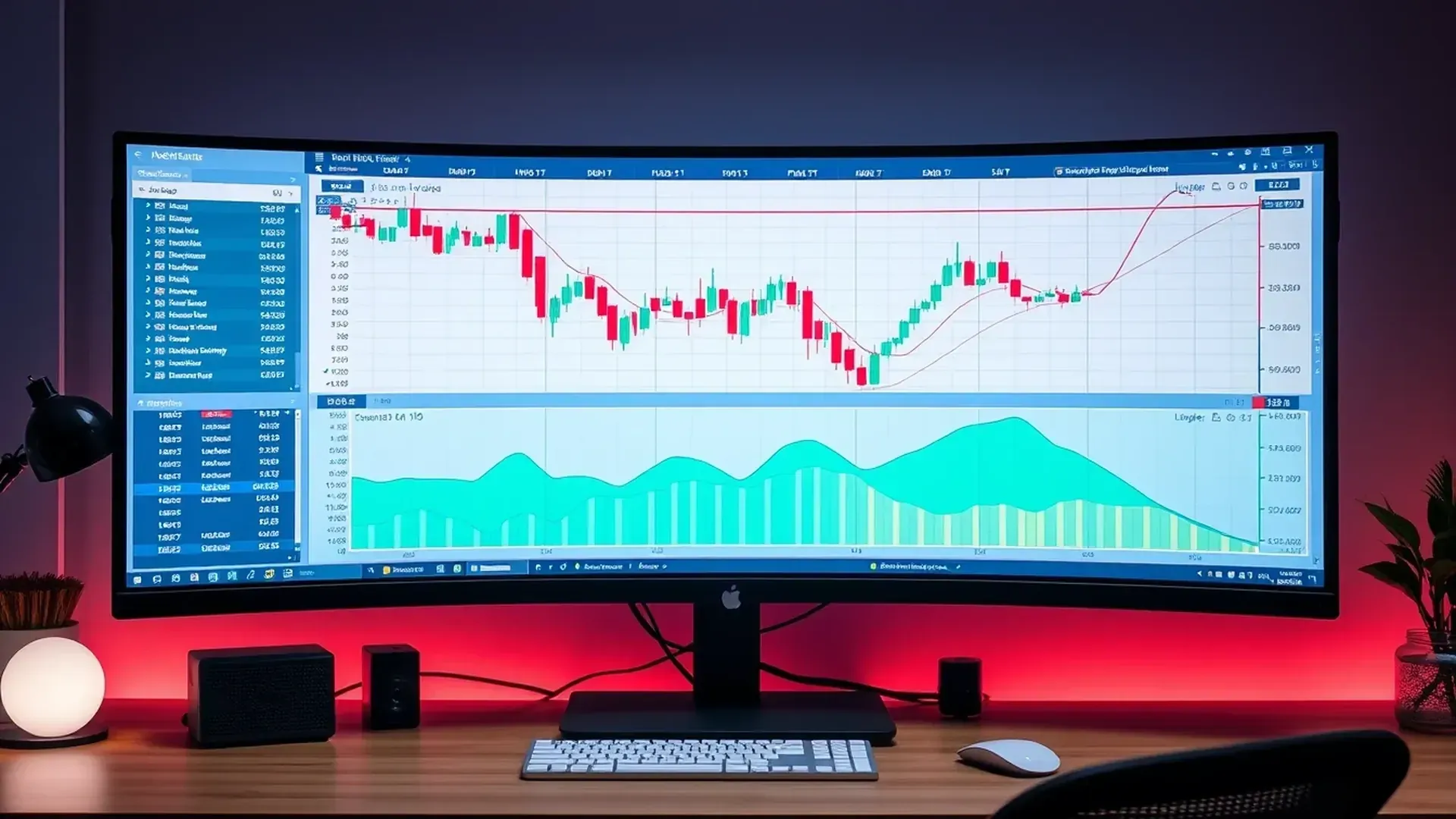
Understanding amortisation in forex trading is crucial for traders who want to calculate the cost of borrowing money to finance their trades. Amortisation refers to the process of paying off a debt over time through regular payments, which include both principal and interest. In forex trading, amortisation is used to calculate the cost of holding a position overnight, also known as the rollover cost. This cost is determined by the difference in interest rates between the two currencies being traded. By understanding amortisation, traders can make informed decisions about their trades and manage their risk effectively.
The Basics of Amortisation in Forex Trading
Forex trading can be a complex and confusing world, especially for beginners. One of the terms that you may come across is “amortisation”. This term is used to describe the process of spreading out the cost of an asset over a period of time. In forex trading, amortisation is used to describe the process of spreading out the cost of a currency pair over a period of time.
To understand amortisation in forex trading, it’s important to first understand the concept of a currency pair. A currency pair is made up of two currencies, one of which is the base currency and the other is the quote currency. The base currency is the currency that you are buying or selling, while the quote currency is the currency that you are using to make the purchase.
When you buy or sell a currency pair, you are essentially buying or selling the base currency and using the quote currency to make the purchase. The price of the currency pair is determined by the exchange rate between the two currencies. This exchange rate is constantly fluctuating, which means that the price of the currency pair is also constantly changing.
Amortisation in forex trading is used to spread out the cost of a currency pair over a period of time. This is done by dividing the total cost of the currency pair by the number of periods that it will be held for. For example, if you buy a currency pair for $1,000 and plan to hold it for 10 periods, the amortised cost would be $100 per period.
The purpose of amortisation in forex trading is to help traders manage their risk. By spreading out the cost of a currency pair over a period of time, traders can reduce their exposure to sudden price fluctuations. This is especially important for traders who are using leverage, as sudden price movements can result in significant losses.
Another benefit of amortisation in forex trading is that it can help traders to better manage their trading capital. By spreading out the cost of a currency pair over a period of time, traders can ensure that they have enough capital to cover their trades. This can help to prevent margin calls and other issues that can arise when trading with leverage.
In conclusion, amortisation is an important concept in forex trading that can help traders to manage their risk and capital. By spreading out the cost of a currency pair over a period of time, traders can reduce their exposure to sudden price fluctuations and ensure that they have enough capital to cover their trades. If you’re new to forex trading, it’s important to take the time to understand the basics of amortisation and how it can be used to improve your trading strategy.
Advanced Techniques for Amortisation in Forex Trading
Forex trading can be a complex and challenging endeavor, especially for those who are new to the game. One of the most important concepts to understand in forex trading is amortisation. Amortisation is the process of spreading out the cost of an asset over its useful life. In forex trading, amortisation is used to calculate the value of a currency over time.
There are several advanced techniques for amortisation in forex trading that can help traders make more informed decisions. One of these techniques is the use of moving averages. Moving averages are a popular tool used by traders to identify trends in the market. By calculating the average price of a currency over a certain period of time, traders can get a better understanding of the currency’s value and make more informed trading decisions.
Another technique for amortisation in forex trading is the use of Fibonacci retracements. Fibonacci retracements are a mathematical tool used to identify potential levels of support and resistance in the market. By calculating the retracement levels based on the Fibonacci sequence, traders can identify potential entry and exit points for their trades.
One of the most important things to keep in mind when using advanced techniques for amortisation in forex trading is to always have a solid understanding of the fundamentals. While technical analysis can be a powerful tool, it should never be used in isolation. Traders should always be aware of the economic and political factors that can impact the value of a currency.
Another important factor to consider when using advanced techniques for amortisation in forex trading is risk management. While these techniques can be powerful tools for identifying potential trading opportunities, they can also be risky. Traders should always have a solid risk management plan in place to protect their investments.
In addition to these advanced techniques, there are also several basic principles of amortisation that every forex trader should understand. One of these principles is the concept of compounding. Compounding is the process of reinvesting profits back into a trading account to generate even greater returns over time.
Another important principle of amortisation in forex trading is the concept of leverage. Leverage is the use of borrowed funds to increase the potential return on an investment. While leverage can be a powerful tool for generating profits, it can also increase the risk of losses.
In conclusion, understanding amortisation is a crucial part of forex trading. By using advanced techniques such as moving averages and Fibonacci retracements, traders can gain a better understanding of the value of a currency over time. However, it is important to always keep in mind the fundamentals of the market and to have a solid risk management plan in place. By following these principles, traders can increase their chances of success in the forex market.
Conclusion
Understanding amortisation in forex trading is crucial for traders to accurately calculate the cost of borrowing and the potential profits or losses of a trade. It involves spreading out the cost of borrowing over the life of the loan or investment, which can impact the overall profitability of a trade. By understanding how amortisation works, traders can make more informed decisions and manage their risk effectively.