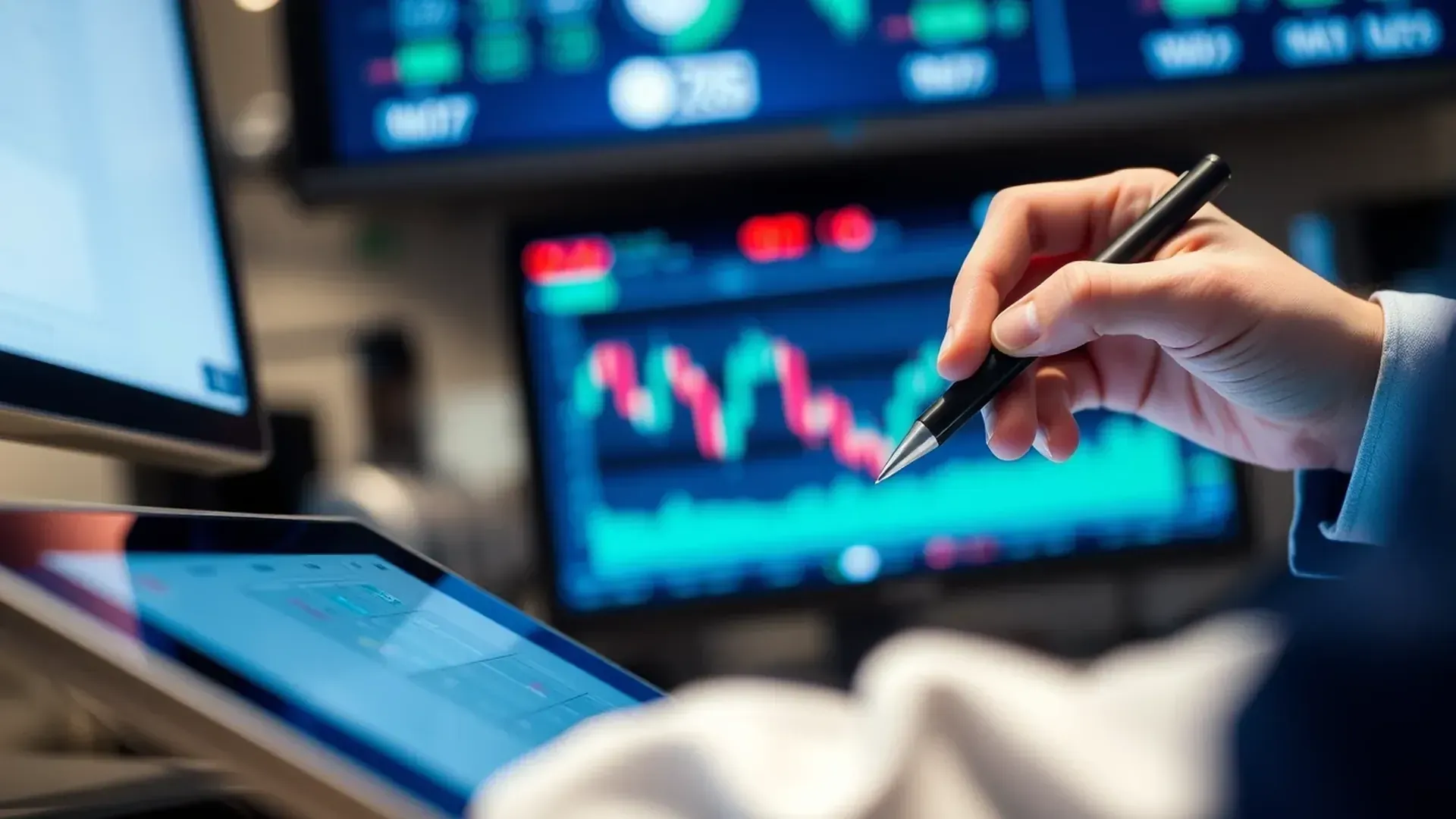
Technology plays a crucial role in managing foreign positions in forex trading. With the advancement of technology, traders now have access to a wide range of tools and platforms that enable them to monitor and execute trades in real-time. These technological advancements have revolutionized the forex market, making it more accessible, efficient, and transparent. In this article, we will explore the various ways in which technology has transformed the management of foreign positions in forex trading.
The Impact of Technology on Foreign Position Management in Forex Trading
The world of forex trading has undergone a significant transformation in recent years, thanks to advancements in technology. Gone are the days when traders had to rely solely on their instincts and manual calculations to manage their foreign positions. Today, technology plays a crucial role in helping traders effectively manage their positions in the forex market.
One of the most significant impacts of technology on foreign position management in forex trading is the availability of real-time data. Traders can now access up-to-the-minute information about currency exchange rates, market trends, and economic news from around the world. This real-time data allows traders to make informed decisions about when to enter or exit a trade, helping them maximize their profits and minimize their losses.
Another way technology has revolutionized foreign position management is through the development of sophisticated trading platforms. These platforms provide traders with a wide range of tools and features that make it easier to monitor and manage their positions. For example, traders can set up automatic stop-loss orders, which automatically close a trade if it reaches a certain level of loss. This feature helps protect traders from significant losses and allows them to focus on other aspects of their trading strategy.
Furthermore, technology has also made it easier for traders to diversify their foreign positions. In the past, traders were limited to trading a few major currency pairs. However, with the advent of online trading platforms, traders can now access a wide range of currency pairs from around the world. This increased access to different markets allows traders to spread their risk and take advantage of opportunities in various currencies.
Additionally, technology has also made it easier for traders to analyze and interpret market data. With the help of advanced charting tools and technical indicators, traders can now identify patterns and trends in the market more easily. This analysis helps traders make more accurate predictions about future price movements, enabling them to make better-informed decisions about their foreign positions.
Moreover, technology has also facilitated the rise of algorithmic trading in forex markets. Algorithmic trading involves the use of computer programs to execute trades based on predefined rules and parameters. These programs can analyze vast amounts of data and execute trades at lightning-fast speeds, far beyond the capabilities of human traders. This automation not only saves time but also eliminates the emotional biases that can often cloud a trader’s judgment.
In conclusion, technology has had a profound impact on foreign position management in forex trading. From real-time data access to sophisticated trading platforms and advanced analysis tools, technology has made it easier for traders to monitor, manage, and diversify their positions. Furthermore, the rise of algorithmic trading has brought a new level of efficiency and accuracy to the forex market. As technology continues to evolve, it is likely that its role in managing foreign positions in forex trading will only become more significant.
Leveraging Technology for Effective Foreign Position Management in Forex Trading
The world of forex trading has undergone a significant transformation in recent years, thanks to advancements in technology. Gone are the days when traders had to rely solely on their instincts and manual calculations to manage their foreign positions. Today, technology plays a crucial role in helping traders effectively manage their positions in the forex market.
One of the key ways technology has revolutionized foreign position management in forex trading is through the use of automated trading systems. These systems, also known as forex robots or expert advisors, are computer programs that can execute trades on behalf of traders based on pre-defined rules and algorithms. By using these automated systems, traders can eliminate the need for manual intervention and ensure that their positions are managed efficiently.
Another way technology has transformed foreign position management is through the use of trading platforms. These platforms, which are provided by forex brokers, allow traders to access the forex market and execute trades from anywhere in the world. With the help of these platforms, traders can monitor their positions in real-time, analyze market trends, and make informed decisions about when to enter or exit trades.
In addition to automated trading systems and trading platforms, technology has also made it easier for traders to access and analyze market data. With the advent of the internet, traders can now access a wealth of information about the forex market, including historical price data, economic indicators, and news events that can impact currency prices. By using this data, traders can gain valuable insights into market trends and make more informed decisions about their foreign positions.
Furthermore, technology has also made it easier for traders to manage their risk in forex trading. Risk management is a crucial aspect of foreign position management, as it helps traders protect their capital and minimize potential losses. With the help of technology, traders can use tools such as stop-loss orders and take-profit orders to automatically close their positions when certain price levels are reached. This allows traders to set predefined levels of risk and ensure that their positions are managed in a disciplined manner.
Moreover, technology has also facilitated the development of social trading platforms, which allow traders to connect with and learn from each other. These platforms enable traders to share their strategies, discuss market trends, and even copy the trades of successful traders. By leveraging the collective wisdom of the trading community, traders can improve their foreign position management and increase their chances of success in the forex market.
In conclusion, technology has played a pivotal role in transforming foreign position management in forex trading. From automated trading systems to trading platforms, technology has made it easier for traders to execute trades, access market data, and manage their risk. Additionally, technology has also facilitated the development of social trading platforms, which enable traders to learn from each other and improve their foreign position management. As technology continues to evolve, it is likely that its role in forex trading will only become more significant, further enhancing the ability of traders to effectively manage their foreign positions.
Enhancing Efficiency in Forex Trading through Technological Tools for Foreign Position Management
The world of forex trading has undergone significant changes in recent years, thanks to advancements in technology. Gone are the days when traders had to rely solely on their instincts and manual calculations to manage their foreign positions. Today, technology plays a crucial role in enhancing efficiency in forex trading, particularly when it comes to managing foreign positions.
One of the key ways technology has revolutionized foreign position management is through the development of sophisticated trading platforms. These platforms provide traders with real-time access to market data, allowing them to make informed decisions about their foreign positions. With just a few clicks, traders can monitor currency pairs, analyze charts, and execute trades, all from the comfort of their own homes or offices.
In addition to trading platforms, technology has also given rise to a wide range of analytical tools that can help traders manage their foreign positions more effectively. For example, there are now software programs that can automatically calculate key metrics such as profit and loss, risk exposure, and position size. These tools not only save traders time and effort but also help them make more accurate and informed decisions.
Furthermore, technology has made it easier for traders to stay updated on market news and events that can impact their foreign positions. With the advent of social media and news aggregation platforms, traders can now access real-time news updates and expert analysis from around the world. This allows them to stay ahead of the curve and adjust their positions accordingly, minimizing the risk of unexpected market movements.
Another way technology has improved foreign position management is through the development of algorithmic trading systems. These systems use complex mathematical algorithms to automatically execute trades based on predefined criteria. By removing human emotions and biases from the trading process, algorithmic trading systems can help traders manage their foreign positions more objectively and efficiently.
Moreover, technology has also made it easier for traders to diversify their foreign positions. In the past, traders were limited to trading a few major currency pairs. However, with the advent of online trading platforms, traders can now access a wide range of currency pairs from all over the world. This allows them to spread their risk and take advantage of opportunities in different markets.
In conclusion, technology has played a crucial role in enhancing efficiency in forex trading, particularly when it comes to managing foreign positions. From sophisticated trading platforms to analytical tools and algorithmic trading systems, technology has provided traders with the tools they need to make more informed decisions and manage their positions more effectively. Furthermore, technology has also made it easier for traders to stay updated on market news and events, diversify their positions, and minimize the risk of unexpected market movements. As technology continues to evolve, it is likely that its role in managing foreign positions in forex trading will only become more significant.
The Role of Technology in Optimizing Foreign Position Management in Forex Trading
The world of forex trading has undergone a significant transformation in recent years, thanks to advancements in technology. Gone are the days when traders had to rely solely on their instincts and manual calculations to manage their foreign positions. Today, technology plays a crucial role in optimizing foreign position management in forex trading.
One of the key ways technology has revolutionized forex trading is through the development of sophisticated trading platforms. These platforms provide traders with real-time access to market data, allowing them to make informed decisions about their foreign positions. With just a few clicks, traders can analyze market trends, monitor currency pairs, and execute trades. This level of convenience and efficiency was unimaginable just a few decades ago.
Another important aspect of technology in forex trading is the automation of certain tasks. Trading algorithms and expert advisors can now be programmed to execute trades automatically based on predefined criteria. This not only saves traders time and effort but also eliminates the possibility of human error. By relying on technology to manage their foreign positions, traders can ensure that their trades are executed at the optimal time and price.
Furthermore, technology has also made it easier for traders to monitor and manage their foreign positions on the go. Mobile trading apps have become increasingly popular, allowing traders to access their trading accounts from anywhere in the world. Whether they are on a business trip or vacation, traders can stay connected to the forex market and make necessary adjustments to their positions. This level of flexibility and accessibility has greatly enhanced the efficiency of foreign position management.
In addition to trading platforms and mobile apps, technology has also facilitated the development of advanced analytical tools. These tools enable traders to analyze historical data, identify patterns, and predict future market movements. By leveraging these tools, traders can make more accurate forecasts and adjust their foreign positions accordingly. This not only increases the chances of profitability but also reduces the risks associated with forex trading.
Moreover, technology has also played a significant role in improving risk management in forex trading. With the help of advanced risk management tools, traders can set stop-loss orders and take-profit levels to limit potential losses and secure profits. These tools automatically close positions when certain conditions are met, ensuring that traders do not suffer significant losses in volatile market conditions. By using technology to manage their foreign positions, traders can effectively mitigate risks and protect their capital.
In conclusion, technology has revolutionized the way foreign positions are managed in forex trading. From sophisticated trading platforms to mobile apps and advanced analytical tools, technology has made forex trading more accessible, efficient, and profitable. By leveraging technology, traders can make informed decisions, automate tasks, and effectively manage risks. As technology continues to evolve, it is likely that its role in optimizing foreign position management in forex trading will only become more prominent.
Conclusion
In conclusion, technology plays a crucial role in managing foreign positions in forex trading. It enables traders to access real-time market data, execute trades quickly and efficiently, and implement risk management strategies effectively. Additionally, technological advancements have led to the development of sophisticated trading platforms and algorithms that can analyze vast amounts of data and make informed trading decisions. As a result, technology has significantly improved the efficiency and accuracy of managing foreign positions in forex trading, ultimately enhancing the overall trading experience for market participants.