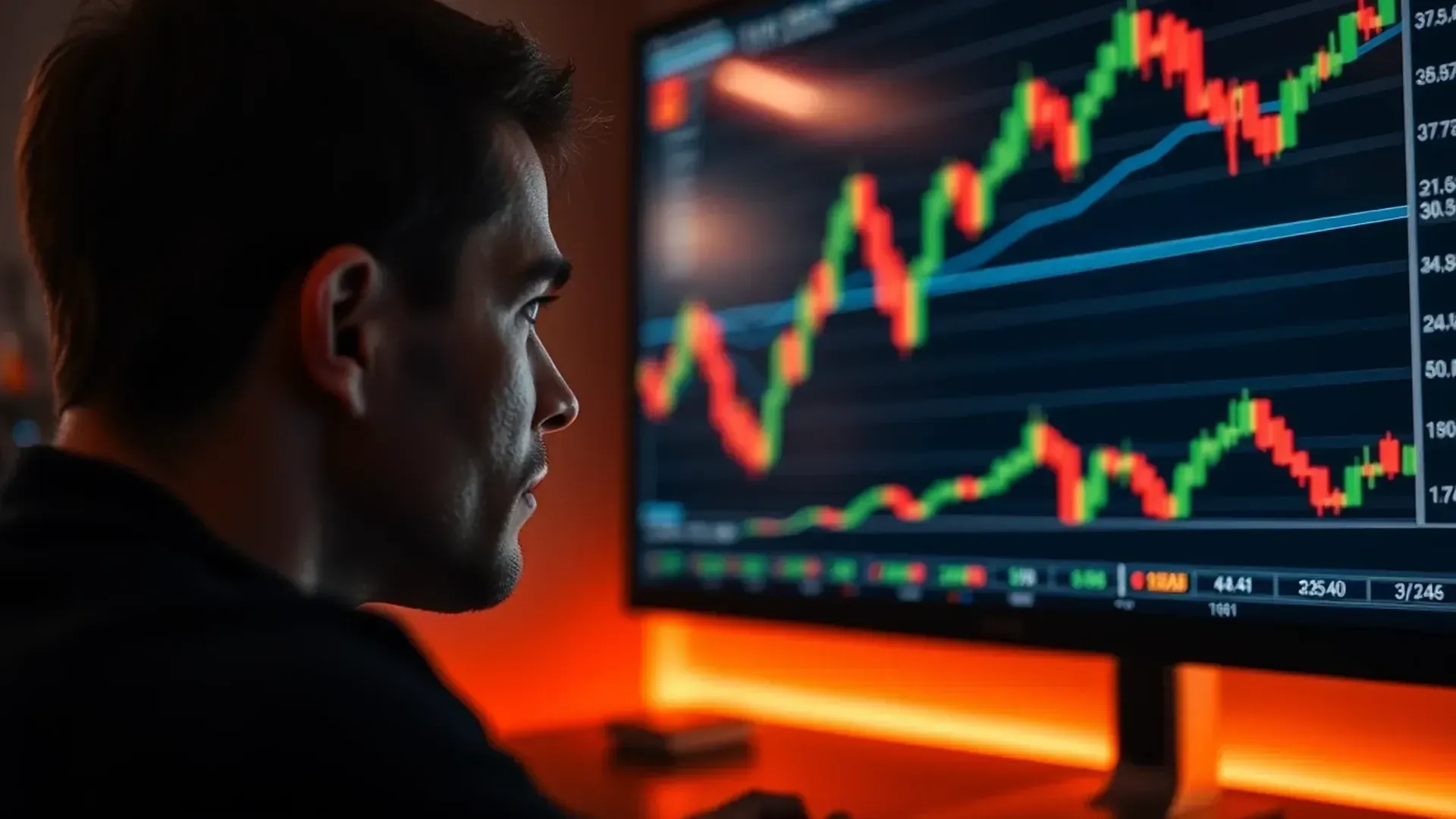
Technology plays a crucial role in the world of forex trading contracts. With the advancement of technology, traders now have access to a wide range of tools and platforms that have revolutionized the way they trade. From automated trading systems to real-time data analysis, technology has significantly enhanced the efficiency, accuracy, and profitability of forex trading contracts. In this article, we will explore the various ways in which technology has transformed the forex trading industry and the benefits it brings to traders.
The Evolution of Forex Trading Contracts in the Digital Age
The world of forex trading has undergone a significant transformation in recent years, thanks to advancements in technology. Gone are the days when traders had to rely solely on phone calls and physical exchanges to execute their trades. With the advent of digital platforms and sophisticated algorithms, forex trading contracts have become more accessible and efficient than ever before.
In the past, forex trading contracts were primarily conducted through traditional exchanges, where traders would physically meet to buy and sell currencies. This process was not only time-consuming but also limited the number of participants in the market. However, with the rise of technology, forex trading has moved online, allowing traders from all over the world to participate in the market simultaneously.
One of the key advantages of technology in forex trading contracts is the speed at which transactions can be executed. In the digital age, trades can be completed within milliseconds, thanks to high-speed internet connections and advanced trading platforms. This has significantly reduced the time it takes for traders to enter and exit positions, allowing them to take advantage of even the smallest market movements.
Furthermore, technology has also made forex trading contracts more accessible to individual traders. In the past, forex trading was primarily dominated by large financial institutions and professional traders. However, with the introduction of online trading platforms, anyone with an internet connection and a small amount of capital can now participate in the forex market. This has democratized forex trading and opened up new opportunities for individuals to generate income from the comfort of their own homes.
Another significant development in forex trading contracts is the use of automated trading systems. These systems, also known as expert advisors or trading robots, are computer programs that can execute trades on behalf of the trader. By using predefined algorithms, these systems can analyze market data and make trading decisions without human intervention. This has not only increased the efficiency of forex trading but has also reduced the emotional biases that can often cloud a trader’s judgment.
However, it is important to note that while technology has revolutionized forex trading contracts, it is not without its risks. The speed and accessibility of online trading can sometimes lead to impulsive and irrational trading decisions. Additionally, the reliance on automated trading systems can also result in significant losses if the algorithms are not properly calibrated or if there are technical glitches.
To mitigate these risks, it is crucial for traders to have a solid understanding of the forex market and to develop a disciplined trading strategy. While technology can provide valuable tools and resources, it is ultimately the trader’s knowledge and experience that will determine their success in forex trading contracts.
In conclusion, technology has played a pivotal role in the evolution of forex trading contracts. It has made the market more accessible, efficient, and inclusive. However, it is important for traders to approach technology with caution and to always prioritize their own knowledge and expertise. By doing so, they can navigate the digital landscape of forex trading contracts and potentially reap the rewards of this dynamic and ever-changing market.
Leveraging Technology for Efficient Forex Trading Contracts
The world of forex trading has undergone a significant transformation in recent years, thanks to advancements in technology. Gone are the days when traders had to rely solely on their instincts and manual calculations to execute trades. Today, technology plays a crucial role in facilitating efficient forex trading contracts.
One of the key ways in which technology has revolutionized forex trading is through the use of automated trading systems. These systems, also known as forex robots or expert advisors, are computer programs that can analyze market data, identify trading opportunities, and execute trades automatically. This eliminates the need for traders to constantly monitor the market and manually enter trades, allowing them to take advantage of opportunities even when they are not actively trading.
Automated trading systems are designed to follow predefined trading strategies and rules, which can be based on technical indicators, price patterns, or other factors. By removing the emotional element from trading decisions, these systems can help traders avoid making impulsive or irrational choices that could lead to losses. They can also execute trades at a much faster pace than humans, taking advantage of even the smallest price movements.
Another way in which technology has improved forex trading contracts is through the use of algorithmic trading. Algorithmic trading involves the use of complex mathematical models and algorithms to analyze market data and execute trades. These algorithms can process vast amounts of data in a fraction of a second, allowing traders to make informed decisions based on real-time market conditions.
Algorithmic trading can be particularly useful in high-frequency trading, where traders aim to profit from small price discrepancies that may only exist for a few seconds or milliseconds. By using algorithms to identify and execute trades in these fast-paced markets, traders can take advantage of opportunities that would be impossible to exploit manually.
In addition to automated trading systems and algorithmic trading, technology has also made it easier for traders to access the forex market. In the past, trading currencies required a significant amount of capital and access to specialized trading platforms. Today, however, anyone with an internet connection can open a forex trading account and start trading within minutes.
Online forex trading platforms provide traders with real-time market data, charts, and analysis tools, allowing them to make informed trading decisions. These platforms also offer a wide range of order types, such as market orders, limit orders, and stop orders, which can be executed with a single click. This makes it easier for traders to enter and exit trades quickly, reducing the risk of slippage and maximizing potential profits.
Furthermore, technology has also made it possible for traders to access the forex market from their mobile devices. Mobile trading apps allow traders to monitor their positions, execute trades, and receive real-time market updates on the go. This flexibility enables traders to take advantage of trading opportunities even when they are away from their computers, enhancing their ability to profit from the forex market.
In conclusion, technology has played a vital role in transforming forex trading contracts. Automated trading systems, algorithmic trading, online trading platforms, and mobile trading apps have all contributed to making forex trading more efficient and accessible. By leveraging technology, traders can now execute trades faster, make more informed decisions, and take advantage of opportunities that would have been impossible to exploit manually. As technology continues to evolve, it is likely that the role of technology in forex trading will only become more significant.
Exploring the Impact of Automated Systems on Forex Trading Contracts
The world of forex trading has undergone a significant transformation in recent years, thanks to advancements in technology. Gone are the days when traders had to rely solely on their instincts and manual calculations to make profitable trades. Today, automated systems have become an integral part of forex trading contracts, revolutionizing the way traders operate in the market.
One of the key benefits of using automated systems in forex trading contracts is the ability to execute trades at lightning-fast speeds. These systems are designed to analyze market data and execute trades in a matter of milliseconds, far quicker than any human trader could ever hope to achieve. This speed is crucial in the fast-paced world of forex trading, where even a few seconds can make a significant difference in the outcome of a trade.
Another advantage of using automated systems is the elimination of human emotions from the trading process. Emotions such as fear and greed can often cloud a trader’s judgment and lead to poor decision-making. Automated systems, on the other hand, operate purely based on pre-programmed algorithms, without any emotional bias. This allows for more objective and rational decision-making, leading to potentially more profitable trades.
Furthermore, automated systems can also help traders overcome the limitations of time and geography. Forex markets operate 24 hours a day, five days a week, making it virtually impossible for a human trader to monitor the market constantly. Automated systems, however, can analyze market data and execute trades even when the trader is asleep or away from their computer. This ensures that no trading opportunities are missed, regardless of the trader’s location or time zone.
In addition to these benefits, automated systems also offer a higher level of accuracy and precision in executing trades. These systems are designed to follow a set of predefined rules and parameters, leaving no room for human error. This can be particularly advantageous in volatile market conditions, where split-second decisions can make or break a trade. By removing the possibility of human error, automated systems can help traders minimize losses and maximize profits.
However, it is important to note that while automated systems offer numerous advantages, they are not without their limitations. These systems rely heavily on historical data and patterns to make predictions about future market movements. As such, they may struggle to adapt to sudden and unexpected market changes or events. Traders must therefore exercise caution and not solely rely on automated systems for their trading decisions.
In conclusion, the role of technology in forex trading contracts cannot be overstated. Automated systems have revolutionized the way traders operate in the market, offering speed, objectivity, and precision that was previously unimaginable. While they are not infallible, these systems have undoubtedly made forex trading more accessible and profitable for traders around the world. As technology continues to advance, it will be fascinating to see how it further shapes the future of forex trading contracts.
Enhancing Risk Management in Forex Trading Contracts through Technological Advancements
The world of forex trading contracts has seen significant advancements in recent years, thanks to the role of technology. These technological advancements have not only made trading more accessible but have also enhanced risk management strategies for traders. In this article, we will explore how technology has revolutionized forex trading contracts and how it has contributed to better risk management.
One of the key ways technology has enhanced risk management in forex trading contracts is through the development of sophisticated trading platforms. These platforms provide traders with real-time market data, allowing them to make informed decisions and react quickly to market changes. Gone are the days when traders had to rely on outdated information or wait for hours to receive updates. With the click of a button, traders can now access up-to-date market information, enabling them to manage their risks more effectively.
Another way technology has improved risk management in forex trading contracts is through the development of automated trading systems. These systems use complex algorithms to execute trades automatically based on predefined criteria. By removing human emotions from the trading process, automated trading systems can help traders stick to their risk management strategies more consistently. These systems can also monitor multiple markets simultaneously, identifying potential risks and opportunities that may have been missed by human traders. This not only enhances risk management but also increases the efficiency of trading operations.
Furthermore, technology has also played a crucial role in improving risk management through the development of risk assessment tools. These tools analyze historical market data and use statistical models to predict potential risks and their impact on trading portfolios. By providing traders with a comprehensive view of their risk exposure, these tools enable them to make more informed decisions and adjust their strategies accordingly. This helps traders identify and mitigate potential risks before they become significant issues, ultimately reducing the likelihood of losses.
In addition to risk assessment tools, technology has also facilitated the development of risk mitigation strategies in forex trading contracts. For example, the use of stop-loss orders has become increasingly popular among traders. These orders automatically close a trade when a certain predetermined price level is reached, limiting potential losses. By setting stop-loss orders, traders can protect themselves from significant losses in volatile markets, ensuring that their risk exposure is kept under control.
Moreover, technology has also made it easier for traders to diversify their portfolios, another essential aspect of risk management. With the advent of online trading platforms, traders can now access a wide range of currency pairs and other financial instruments from around the world. This allows them to spread their risks across different markets and reduce their dependence on a single currency or asset. By diversifying their portfolios, traders can minimize the impact of adverse market movements on their overall trading performance.
In conclusion, technology has played a significant role in enhancing risk management in forex trading contracts. From sophisticated trading platforms to automated trading systems and risk assessment tools, technology has revolutionized the way traders approach risk management. By providing real-time market data, automating trading processes, and offering risk assessment tools, technology has empowered traders to make more informed decisions and manage their risks more effectively. As technology continues to evolve, we can expect further advancements in risk management strategies, ultimately benefiting traders in the forex market.
Conclusion
In conclusion, technology plays a crucial role in Forex trading contracts. It has revolutionized the way traders execute trades, analyze market data, and manage risk. The use of advanced trading platforms, algorithmic trading systems, and real-time data feeds has significantly improved the efficiency and accuracy of Forex trading. Additionally, technology has also facilitated the development of complex trading strategies and the automation of trading processes. Overall, technology has become an indispensable tool for Forex traders, enabling them to make informed decisions and capitalize on market opportunities.