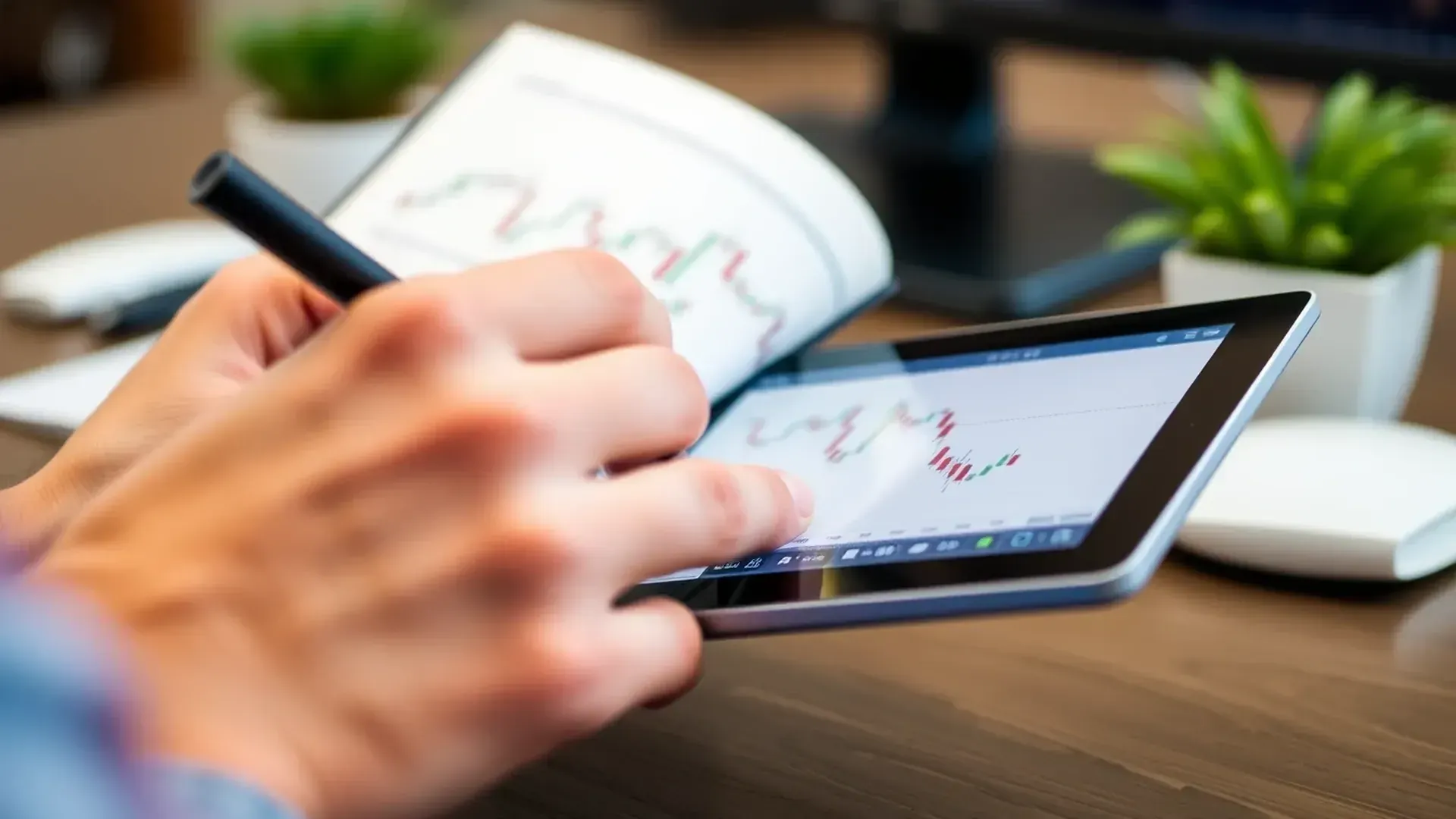
The role of economic exposure in international forex trading refers to the potential impact of changes in exchange rates on the financial performance and value of a company operating in multiple currencies. Economic exposure arises from the exposure to foreign exchange risk, which can affect a company’s revenues, costs, and ultimately its profitability. This exposure is influenced by various factors, including the company’s international operations, currency denominations of its assets and liabilities, and the economic conditions of the countries in which it operates. Managing economic exposure is crucial for companies engaged in international forex trading to mitigate the potential risks and optimize their financial performance.
The Importance of Economic Exposure in International Forex Trading
The world of international forex trading can be both exciting and challenging. With so many factors influencing currency exchange rates, it’s crucial for traders to understand the concept of economic exposure. Economic exposure refers to the risk that a company or individual faces due to changes in exchange rates, which can impact the value of their investments or business operations.
One of the key reasons why economic exposure is important in international forex trading is because it can significantly affect a trader’s profitability. When a trader buys or sells currencies, they are essentially speculating on the future direction of exchange rates. If the exchange rate moves in their favor, they can make a profit. However, if the exchange rate moves against them, they can suffer losses.
Economic exposure comes into play because changes in exchange rates can have a direct impact on a trader’s bottom line. For example, let’s say a trader in the United States buys euros with the expectation that the euro will appreciate against the US dollar. If the euro does indeed appreciate, the trader will make a profit when they sell the euros back for dollars. However, if the euro depreciates instead, the trader will incur a loss.
Another reason why economic exposure is important is because it can affect a trader’s risk management strategy. By understanding their exposure to different currencies, traders can make informed decisions about how much risk they are willing to take on. For example, if a trader has a significant amount of exposure to a particular currency, they may choose to hedge their position by taking out a forward contract or using other risk management tools.
Furthermore, economic exposure is important because it can impact a trader’s long-term investment strategy. When trading in international markets, it’s essential to consider the economic fundamentals of different countries. Factors such as interest rates, inflation, and economic growth can all influence exchange rates. By understanding the economic exposure of different currencies, traders can make more informed decisions about which currencies to invest in and when to enter or exit positions.
In addition to these reasons, economic exposure is also important because it can affect a trader’s ability to diversify their portfolio. Diversification is a key principle in investing, as it helps to spread risk and reduce the impact of any single investment. By understanding their exposure to different currencies, traders can ensure that their portfolio is well-diversified and not overly concentrated in one currency or region.
In conclusion, economic exposure plays a crucial role in international forex trading. It can significantly impact a trader’s profitability, risk management strategy, long-term investment strategy, and portfolio diversification. By understanding their exposure to different currencies, traders can make more informed decisions and navigate the complex world of forex trading with greater confidence. So, whether you’re a seasoned trader or just starting out, it’s important to pay attention to economic exposure and its implications for your trading activities.
Managing Economic Exposure in Forex Trading: Strategies and Techniques
Forex trading, also known as foreign exchange trading, is a popular investment option for many individuals and businesses looking to diversify their portfolios. With the global economy becoming increasingly interconnected, it is essential to understand the role of economic exposure in international forex trading. Economic exposure refers to the risk that changes in exchange rates can have on the value of investments and cash flows.
Managing economic exposure is crucial for forex traders as it can significantly impact their profitability. By understanding and implementing effective strategies and techniques, traders can mitigate the risks associated with economic exposure and maximize their potential gains.
One of the primary strategies for managing economic exposure is hedging. Hedging involves taking positions in the forex market that offset potential losses from adverse exchange rate movements. For example, if a trader expects the value of a particular currency to depreciate, they can enter into a short position to profit from the decline. This way, any losses incurred from the depreciation of the currency in their portfolio will be offset by the gains from the short position.
Another technique used to manage economic exposure is diversification. Diversification involves spreading investments across different currencies and countries to reduce the impact of adverse exchange rate movements. By diversifying their portfolio, traders can minimize the risk of significant losses from a single currency or country.
In addition to hedging and diversification, traders can also use forward contracts to manage economic exposure. A forward contract is an agreement to buy or sell a specific amount of currency at a predetermined exchange rate and future date. By entering into a forward contract, traders can lock in an exchange rate, protecting themselves from potential fluctuations in the currency’s value.
Furthermore, staying informed about global economic events and trends is essential for managing economic exposure. Economic indicators, such as interest rates, inflation rates, and GDP growth, can significantly impact exchange rates. By keeping track of these indicators and understanding their potential effects on currencies, traders can make informed decisions and adjust their positions accordingly.
It is also crucial for traders to have a solid understanding of the correlation between different currencies. Correlation refers to the relationship between two or more currency pairs and how they move in relation to each other. By analyzing currency correlations, traders can identify potential opportunities and risks, allowing them to make more informed trading decisions.
Lastly, risk management is a vital aspect of managing economic exposure in forex trading. Traders should set clear risk tolerance levels and implement appropriate stop-loss orders to limit potential losses. It is also essential to regularly review and adjust trading strategies based on market conditions and performance.
In conclusion, managing economic exposure is a critical aspect of successful forex trading. By implementing effective strategies such as hedging, diversification, and using forward contracts, traders can mitigate the risks associated with adverse exchange rate movements. Staying informed about global economic events, understanding currency correlations, and practicing proper risk management are also essential for managing economic exposure. With the right knowledge and techniques, traders can navigate the complexities of international forex trading and maximize their potential gains.
Understanding the Impact of Economic Exposure on Forex Trading
Forex trading, also known as foreign exchange trading, is a popular investment option for many individuals and businesses looking to diversify their portfolios. With the global economy becoming increasingly interconnected, it is essential to understand the impact of economic exposure on forex trading.
Economic exposure refers to the risk that a company or individual faces due to changes in exchange rates. It is the potential impact of these changes on the value of investments, cash flows, and profitability. In the context of forex trading, economic exposure plays a crucial role in determining the potential gains or losses.
One of the primary factors that contribute to economic exposure is the fluctuation in exchange rates. Currencies are constantly changing in value relative to one another, and these fluctuations can have a significant impact on forex trading. For example, if you are trading the US dollar against the euro and the value of the euro increases, your investment in US dollars will decrease in value.
Understanding economic exposure is essential for forex traders because it allows them to assess the potential risks and rewards associated with different currency pairs. By analyzing economic indicators, such as interest rates, inflation rates, and GDP growth, traders can make informed decisions about which currencies to buy or sell.
Another aspect of economic exposure is the impact of political and economic events on forex trading. Political instability, changes in government policies, and economic crises can all lead to significant fluctuations in exchange rates. Traders need to stay informed about these events and their potential impact on the currencies they are trading.
For example, if a country is experiencing political turmoil, investors may lose confidence in its currency, leading to a depreciation in its value. On the other hand, positive economic news, such as strong GDP growth or a decrease in unemployment rates, can lead to an appreciation in a country’s currency.
Managing economic exposure is crucial for forex traders to minimize potential losses and maximize profits. One way to manage economic exposure is through hedging strategies. Hedging involves taking positions in different currency pairs to offset potential losses. For example, if you are trading the US dollar against the euro, you can also take a position in the US dollar against the Japanese yen to hedge against potential losses.
Another way to manage economic exposure is through diversification. By trading multiple currency pairs, traders can spread their risk and reduce their exposure to any single currency. Diversification allows traders to take advantage of different economic conditions and minimize the impact of adverse events on their overall portfolio.
In conclusion, economic exposure plays a crucial role in international forex trading. Understanding the impact of economic indicators, political events, and market fluctuations is essential for traders to make informed decisions and manage their risk effectively. By analyzing economic exposure, traders can identify potential opportunities and take steps to minimize potential losses. So, whether you are a seasoned forex trader or just starting, it is essential to keep economic exposure in mind when making trading decisions.
Economic Exposure and its Role in International Currency Trading
The world of international forex trading can be both exciting and challenging. With so many factors influencing currency exchange rates, it’s important for traders to understand the concept of economic exposure and its role in this dynamic market.
Economic exposure refers to the risk that a company or individual faces due to changes in exchange rates. When engaging in international forex trading, it’s crucial to consider how economic exposure can impact your investments. By understanding this concept, traders can make more informed decisions and mitigate potential risks.
One way economic exposure can affect forex trading is through changes in the value of currencies. Exchange rates fluctuate constantly, and these fluctuations can have a significant impact on the profitability of trades. For example, if you’re trading the US dollar against the euro and the value of the euro increases, your profits will decrease when you convert your euros back into dollars. This is because the increased value of the euro reduces the purchasing power of your profits.
Another aspect of economic exposure is the impact of changes in interest rates. Central banks around the world adjust interest rates to control inflation and stimulate economic growth. These changes can have a direct effect on currency values. When interest rates rise in a particular country, it often attracts foreign investors seeking higher returns. This increased demand for the currency can cause its value to appreciate. On the other hand, if interest rates decrease, investors may withdraw their funds, leading to a depreciation of the currency.
In addition to changes in exchange rates and interest rates, economic exposure can also be influenced by factors such as political stability, economic indicators, and market sentiment. Political events, such as elections or policy changes, can create uncertainty and volatility in the forex market. Economic indicators, such as GDP growth or unemployment rates, can also impact currency values. Traders need to stay informed about these factors and their potential impact on the currencies they are trading.
Managing economic exposure requires a proactive approach. Traders can use various strategies to mitigate risks and maximize profits. One common strategy is hedging, which involves taking positions that offset potential losses. For example, if you expect the value of a currency to decrease, you can take a short position to profit from the decline. This way, even if your initial trade results in a loss, your overall position will still be profitable.
Another strategy is diversification, which involves spreading your investments across different currencies and markets. By diversifying your portfolio, you can reduce the impact of economic exposure on your overall returns. This strategy allows you to take advantage of opportunities in different markets and minimize the risk of being overly exposed to a single currency or country.
In conclusion, economic exposure plays a crucial role in international forex trading. Traders need to understand how changes in exchange rates, interest rates, and other economic factors can impact their investments. By staying informed and using effective risk management strategies, traders can navigate the forex market with confidence and increase their chances of success. So, whether you’re a seasoned trader or just starting out, make sure to consider economic exposure in your forex trading journey.
Conclusion
In conclusion, economic exposure plays a significant role in international forex trading. It refers to the potential impact of exchange rate fluctuations on a company’s financial performance and competitiveness in the global market. Economic exposure can arise from various factors such as changes in exchange rates, interest rates, inflation rates, and economic conditions. Managing economic exposure is crucial for businesses engaged in international forex trading to mitigate risks and optimize their financial outcomes.