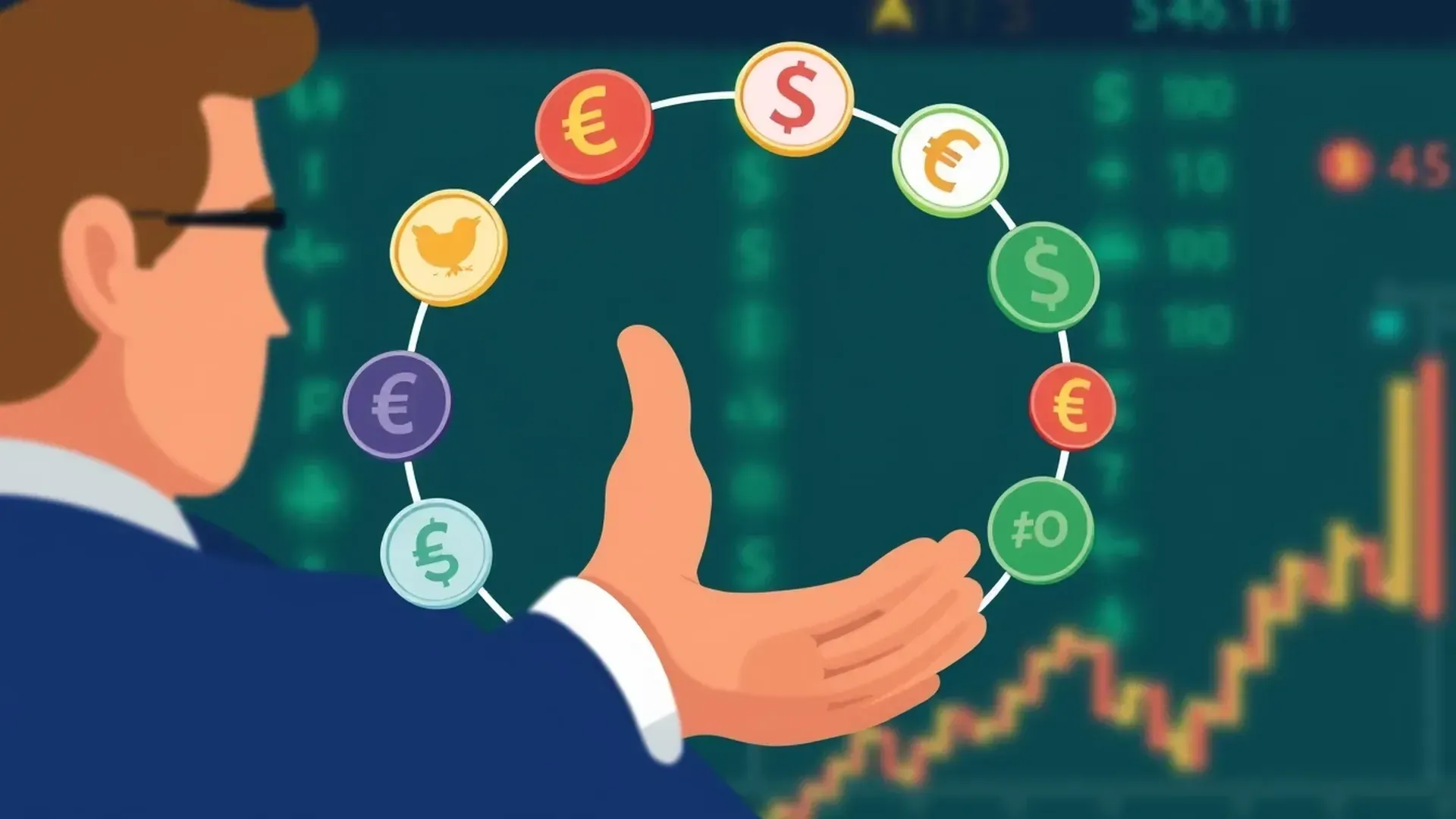
The future of price gaps in forex trading is a topic of interest for traders and investors. Price gaps occur when there is a significant difference between the closing price of one trading session and the opening price of the next session. These gaps can be caused by various factors such as economic news, geopolitical events, or market sentiment. Understanding the future trends and implications of price gaps is crucial for traders to make informed decisions and manage their risk effectively. In this article, we will explore the potential impact of technology, market dynamics, and regulatory changes on the future of price gaps in forex trading.
Exploring the Impact of Price Gaps on Forex Trading in the Future
The world of forex trading is constantly evolving, with new technologies and strategies emerging all the time. One aspect of trading that has always been a topic of discussion is price gaps. These gaps occur when there is a significant difference between the closing price of one trading session and the opening price of the next. In this article, we will explore the impact of price gaps on forex trading in the future.
Price gaps can be both a blessing and a curse for forex traders. On one hand, they can provide lucrative trading opportunities. For example, if a currency pair closes at a certain price on Friday and opens at a significantly higher price on Monday, traders who were able to anticipate this gap can make a substantial profit. However, on the other hand, price gaps can also lead to significant losses if traders are caught on the wrong side of the gap.
In the future, we can expect price gaps to continue to play a significant role in forex trading. As technology advances, traders will have access to more sophisticated tools and algorithms that can help them identify and take advantage of price gaps. These tools will analyze historical data, market trends, and other factors to predict when and where price gaps are likely to occur. This will give traders a competitive edge and increase their chances of making profitable trades.
Additionally, as more traders enter the forex market, the impact of price gaps may become even more pronounced. With increased competition, traders will be constantly looking for ways to gain an edge over their peers. This could lead to more aggressive trading strategies, including taking advantage of price gaps. As a result, price gaps may become more frequent and larger in size, creating even more opportunities for traders.
However, it is important to note that the future of price gaps in forex trading is not without its challenges. One potential challenge is the increasing regulation of the forex market. Regulators around the world are becoming more stringent in their oversight of the industry, which could limit the ability of traders to take advantage of price gaps. Additionally, as more traders enter the market, liquidity may become an issue, making it more difficult to execute trades at favorable prices.
Despite these challenges, the future of price gaps in forex trading looks promising. Traders who are able to adapt to the changing landscape and leverage new technologies will have a distinct advantage. By staying informed about market trends and using advanced tools, traders can position themselves to take advantage of price gaps and maximize their profits.
In conclusion, price gaps will continue to be a significant factor in forex trading in the future. As technology advances and more traders enter the market, the impact of price gaps may become even more pronounced. Traders who are able to adapt to these changes and leverage new technologies will have a distinct advantage. While there may be challenges along the way, the future of price gaps in forex trading looks promising. So, keep an eye out for those gaps and be ready to seize the opportunities they present. Happy trading!
Predicting Price Gap Patterns in Forex Trading: A Look into the Future
The world of forex trading is constantly evolving, with new technologies and strategies emerging all the time. One area that has always fascinated traders is price gaps. These gaps occur when there is a significant difference between the closing price of one trading session and the opening price of the next. They can be caused by a variety of factors, such as economic news, geopolitical events, or even just market sentiment.
Price gaps can be both a blessing and a curse for traders. On one hand, they can provide lucrative opportunities for profit. If you are on the right side of a gap, you can make a substantial amount of money in a short period of time. On the other hand, if you are on the wrong side of a gap, you can lose a significant amount of money just as quickly.
Predicting price gap patterns has always been a challenge for traders. While there are some indicators and strategies that can help identify potential gaps, they are by no means foolproof. The future of price gaps in forex trading lies in the development of more advanced predictive models and algorithms.
One area that shows promise is the use of artificial intelligence (AI) and machine learning. These technologies have the ability to analyze vast amounts of data and identify patterns that may not be immediately apparent to human traders. By training AI algorithms on historical price gap data, it may be possible to develop models that can accurately predict future gaps.
Another area that is likely to play a role in the future of price gaps is sentiment analysis. This involves analyzing social media posts, news articles, and other sources of information to gauge market sentiment. By understanding how traders and investors are feeling about a particular currency pair, it may be possible to anticipate price gaps before they occur.
Of course, predicting price gaps is only part of the equation. Traders also need to have a strategy in place for capitalizing on these gaps. This may involve setting specific entry and exit points, as well as implementing risk management techniques to protect against potential losses.
In addition to predicting and capitalizing on price gaps, traders also need to be aware of the risks involved. Price gaps can be unpredictable and volatile, and it is important to have a plan in place for managing these risks. This may involve setting stop-loss orders, diversifying your portfolio, or even just being prepared to accept losses as part of the trading process.
In conclusion, the future of price gaps in forex trading is likely to involve the development of more advanced predictive models and algorithms. Technologies such as artificial intelligence and machine learning show promise in this area, as do sentiment analysis techniques. However, it is important for traders to remember that predicting and capitalizing on price gaps is only part of the equation. They also need to have a strategy in place for managing the risks involved. By staying informed and being prepared, traders can navigate the world of price gaps and potentially profit from these opportunities.
The Role of Technology in Shaping the Future of Price Gaps in Forex Trading
The world of forex trading is constantly evolving, and one area that has seen significant changes in recent years is the phenomenon of price gaps. Price gaps occur when there is a significant difference between the closing price of one trading session and the opening price of the next session. These gaps can be caused by a variety of factors, such as economic news releases, geopolitical events, or simply market sentiment.
In the past, price gaps were seen as a nuisance by many forex traders. They could disrupt trading strategies and lead to unexpected losses. However, with the advent of new technologies, price gaps are now being viewed in a different light. In fact, some traders are even starting to see them as opportunities.
One of the main reasons for this shift in perception is the role that technology is playing in shaping the future of price gaps in forex trading. With the rise of high-speed internet connections and advanced trading platforms, traders now have access to real-time market data and can react to price gaps more quickly than ever before. This has allowed them to develop new strategies that take advantage of these gaps and potentially profit from them.
For example, some traders are using automated trading systems that are programmed to identify and exploit price gaps. These systems can analyze market data in real-time and execute trades automatically when a gap is detected. This eliminates the need for manual intervention and allows traders to take advantage of price gaps even when they are not actively monitoring the market.
Another way that technology is shaping the future of price gaps in forex trading is through the use of algorithmic trading. Algorithmic trading involves the use of computer algorithms to execute trades based on predefined criteria. These algorithms can be programmed to take advantage of price gaps by automatically buying or selling currencies when certain conditions are met.
In addition to automated trading systems and algorithmic trading, technology is also playing a role in improving the accuracy of price gap analysis. Advanced charting software and technical indicators can now provide traders with more detailed information about price gaps, such as their size, duration, and potential impact on the market. This allows traders to make more informed decisions and better manage their risk.
Of course, technology is not the only factor shaping the future of price gaps in forex trading. Economic and geopolitical events will continue to play a significant role in causing price gaps, and traders will need to stay informed and adapt their strategies accordingly. However, it is clear that technology is providing traders with new tools and opportunities to navigate the world of price gaps more effectively.
In conclusion, the role of technology in shaping the future of price gaps in forex trading cannot be overstated. From automated trading systems to algorithmic trading and advanced charting software, technology is providing traders with new ways to identify, analyze, and profit from price gaps. While price gaps will always be a part of forex trading, technology is helping to level the playing field and empower traders to make more informed decisions. So, whether you see price gaps as a nuisance or an opportunity, it is clear that technology is changing the way we think about and trade them.
Strategies for Capitalizing on Price Gaps in Forex Trading: Future Perspectives
The world of forex trading is constantly evolving, and as traders, it’s important for us to stay ahead of the game. One aspect of trading that has gained significant attention in recent years is price gaps. These gaps occur when there is a significant difference between the closing price of one trading session and the opening price of the next. In this article, we will explore the future of price gaps in forex trading and discuss strategies for capitalizing on them.
Price gaps have always been a part of the forex market, but with the rise of algorithmic trading and high-frequency trading, they have become more prevalent. These gaps can occur for a variety of reasons, such as economic news releases, geopolitical events, or simply due to market sentiment. Regardless of the cause, price gaps present both opportunities and challenges for traders.
One strategy for capitalizing on price gaps is known as “gap trading.” This strategy involves identifying and trading the gaps that occur during the opening hours of the forex market. Traders who employ this strategy look for gaps that are likely to be filled, meaning that the price will eventually move back to the level it was at before the gap occurred. By entering a trade in the direction of the gap and setting a target at the pre-gap level, traders can potentially profit from the price movement.
However, it’s important to note that not all price gaps are created equal. Some gaps are more likely to be filled than others, and it’s crucial for traders to have a solid understanding of market dynamics and technical analysis to identify the most profitable gaps. Additionally, gap trading requires discipline and patience, as it may take some time for the price to move back to the pre-gap level.
As technology continues to advance, we can expect to see new tools and strategies emerge for capitalizing on price gaps. One such tool is artificial intelligence (AI). AI has the potential to analyze vast amounts of data and identify patterns that humans may not be able to detect. By using AI algorithms, traders can potentially improve their ability to identify profitable gaps and make more informed trading decisions.
Another future perspective for price gaps in forex trading is the integration of social media sentiment analysis. Social media platforms have become a powerful tool for traders to gauge market sentiment and identify potential trading opportunities. By analyzing social media posts and sentiment data, traders can gain insights into how the market is reacting to certain events or news releases. This information can be used to identify potential price gaps and make more accurate predictions about their likelihood of being filled.
In conclusion, price gaps are an important aspect of forex trading that traders should pay attention to. While they present opportunities for profit, they also come with risks. By employing strategies such as gap trading and utilizing advanced tools like AI and social media sentiment analysis, traders can increase their chances of capitalizing on price gaps. As the forex market continues to evolve, it’s crucial for traders to stay informed and adapt their strategies to the changing landscape.
Conclusion
In conclusion, the future of price gaps in forex trading remains uncertain. While advancements in technology and increased market efficiency may reduce the occurrence of significant price gaps, they are unlikely to be completely eliminated. Traders should continue to monitor and manage their positions carefully, taking into account the potential impact of price gaps on their trading strategies.