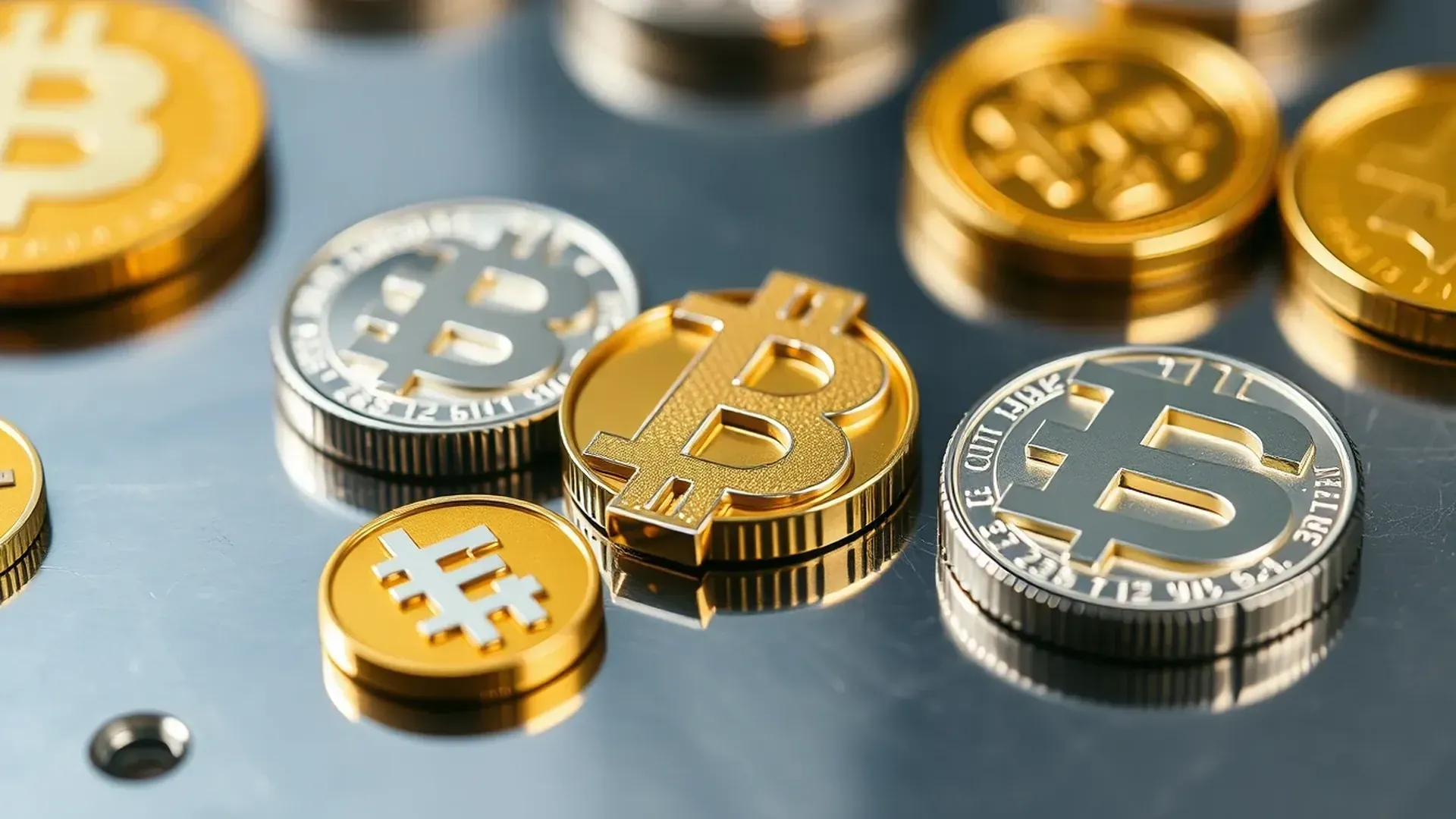
The Future of Forex Trading refers to the potential developments and advancements in the foreign exchange market, driven by technological innovations and changing market dynamics. It encompasses various aspects such as automation, algorithmic trading, artificial intelligence, and blockchain technology, which are expected to shape the future landscape of forex trading.
On the other hand, the Cost of Living Index is a measure that evaluates the relative cost of living in different cities or countries. It takes into account various factors such as housing, transportation, groceries, healthcare, and entertainment, among others, to provide an indication of the overall expenses required to maintain a certain standard of living in a particular location.
The Impact of the Cost of Living Index on Forex Trading
The world of forex trading is constantly evolving, and one factor that has a significant impact on this market is the cost of living index. The cost of living index is a measure of the average cost of basic necessities, such as housing, food, and transportation, in a particular country or region. It is used to compare the relative affordability of different locations and can have a profound effect on forex trading.
One way in which the cost of living index affects forex trading is through its impact on currency values. When the cost of living in a particular country is high, it often means that the currency of that country is strong. This is because a high cost of living indicates a strong economy, which in turn attracts foreign investors and drives up the value of the currency. On the other hand, a low cost of living suggests a weaker economy and can lead to a depreciation in the value of the currency.
For forex traders, understanding the cost of living index is crucial for making informed trading decisions. By keeping an eye on the cost of living in different countries, traders can anticipate changes in currency values and adjust their trading strategies accordingly. For example, if the cost of living in a country is expected to rise, traders may choose to buy that country’s currency in anticipation of an increase in its value. Conversely, if the cost of living is expected to fall, traders may choose to sell that currency to avoid potential losses.
Another way in which the cost of living index affects forex trading is through its impact on interest rates. In general, countries with a high cost of living tend to have higher interest rates, as they need to attract foreign investors to finance their higher living expenses. Higher interest rates can make a country’s currency more attractive to investors, as they can earn a higher return on their investments. This can lead to an increase in demand for the currency and drive up its value in the forex market.
Conversely, countries with a low cost of living often have lower interest rates, as they do not need to attract as much foreign investment. Lower interest rates can make a country’s currency less attractive to investors, as they can earn a higher return elsewhere. This can lead to a decrease in demand for the currency and cause its value to depreciate in the forex market.
In conclusion, the cost of living index has a significant impact on forex trading. It affects currency values by indicating the strength or weakness of an economy, and it influences interest rates, which in turn affect currency demand. For forex traders, understanding the cost of living index is essential for making informed trading decisions and adjusting their strategies accordingly. By keeping an eye on the cost of living in different countries, traders can anticipate changes in currency values and take advantage of potential opportunities in the forex market.
Predicting the Future of Forex Trading in Relation to the Cost of Living Index
The future of forex trading is an exciting and ever-evolving field. With advancements in technology and the increasing globalization of markets, the forex market is becoming more accessible to individual traders. But what does the future hold for forex trading, and how does it relate to the cost of living index?
One of the key factors that will shape the future of forex trading is the development of artificial intelligence and machine learning algorithms. These technologies have the potential to revolutionize the way trades are executed and analyzed. With AI-powered trading systems, traders can make more informed decisions based on real-time data and market trends. This could lead to more accurate predictions and higher profits.
Another trend that is likely to shape the future of forex trading is the increasing importance of the cost of living index. The cost of living index is a measure of the average cost of basic necessities, such as housing, food, and transportation, in a particular location. It is used to compare the affordability of different cities or countries.
The cost of living index is important for forex traders because it can provide valuable insights into the economic health of a country. For example, if the cost of living index is high, it may indicate that inflation is rising, which could lead to a depreciation of the country’s currency. On the other hand, a low cost of living index may indicate a stable economy and a strong currency.
In the future, forex traders are likely to pay even more attention to the cost of living index when making trading decisions. By analyzing the cost of living index of different countries, traders can identify potential trading opportunities and make more informed decisions. For example, if the cost of living index of a country is rising, it may indicate that the currency is likely to depreciate, making it a good time to sell.
Furthermore, advancements in technology will make it easier for traders to access and analyze the cost of living index. With the development of mobile apps and online platforms, traders can access real-time data and analysis on the cost of living index from anywhere in the world. This will enable them to make more timely and accurate trading decisions.
In conclusion, the future of forex trading is likely to be shaped by advancements in technology and the increasing importance of the cost of living index. Artificial intelligence and machine learning algorithms will revolutionize the way trades are executed and analyzed, leading to more accurate predictions and higher profits. Additionally, the cost of living index will play a crucial role in forex trading, providing valuable insights into the economic health of a country. By analyzing the cost of living index, traders can identify potential trading opportunities and make more informed decisions. With advancements in technology, accessing and analyzing the cost of living index will become easier, enabling traders to make more timely and accurate trading decisions. So, if you’re interested in forex trading, keep an eye on the cost of living index – it could be the key to your success in the future.
Exploring the Relationship Between the Cost of Living Index and Forex Trading Strategies
The world of forex trading is constantly evolving, and as technology advances, so do the strategies and tools used by traders. One factor that has a significant impact on forex trading is the cost of living index. The cost of living index is a measure of the average cost of basic necessities, such as housing, food, and transportation, in a particular location. It is used to compare the relative cost of living between different cities or countries.
The cost of living index can have a direct impact on forex trading strategies. For example, if the cost of living in a particular country is high, it may indicate that the currency of that country is strong. This could be due to factors such as a strong economy, high wages, or a stable political environment. Traders may use this information to make decisions about which currencies to buy or sell.
On the other hand, if the cost of living in a country is low, it may indicate that the currency is weak. This could be due to factors such as a struggling economy, low wages, or political instability. Traders may use this information to make decisions about which currencies to avoid or sell short.
The cost of living index can also provide valuable insights into the overall economic health of a country. For example, if the cost of living is rising rapidly, it may indicate that inflation is a concern. This could lead traders to adjust their strategies to account for potential changes in interest rates or monetary policy.
In addition to the cost of living index, traders also consider other economic indicators when making forex trading decisions. These indicators include GDP growth, unemployment rates, and consumer confidence. By analyzing these indicators in conjunction with the cost of living index, traders can gain a more comprehensive understanding of the economic landscape and make more informed trading decisions.
It is important to note that the cost of living index is just one piece of the puzzle when it comes to forex trading. Traders must also consider other factors, such as technical analysis, market sentiment, and geopolitical events. However, the cost of living index can provide a valuable starting point for analysis and help traders identify potential trading opportunities.
As technology continues to advance, the cost of living index and other economic indicators are becoming more readily available to traders. Many trading platforms now offer real-time data on these indicators, allowing traders to make more informed decisions in real-time. This can be especially beneficial for day traders who rely on quick and accurate information to execute their trades.
In conclusion, the cost of living index is an important tool for forex traders. It provides valuable insights into the relative cost of living between different locations and can help traders make decisions about which currencies to buy or sell. While the cost of living index is just one piece of the puzzle, it can provide a valuable starting point for analysis and help traders identify potential trading opportunities. As technology continues to advance, traders can expect to have even more access to real-time data on economic indicators, further enhancing their ability to make informed trading decisions.
How the Cost of Living Index Can Influence the Future of Forex Trading
The future of forex trading is an exciting and ever-evolving field. With advancements in technology and the increasing globalization of markets, forex trading has become more accessible to individuals around the world. One factor that can greatly influence the future of forex trading is the cost of living index.
The cost of living index is a measure of the average cost of basic necessities, such as housing, food, and transportation, in a particular location. It is used to compare the affordability of different cities or countries. The cost of living index can have a significant impact on forex trading because it affects the value of currencies.
When the cost of living in a country is high, it typically means that the currency of that country is strong. This is because a high cost of living indicates a strong economy and a high standard of living. On the other hand, when the cost of living is low, it usually means that the currency is weak. This is because a low cost of living suggests a weak economy and a lower standard of living.
Forex traders closely monitor the cost of living index because it can provide valuable insights into the strength or weakness of a currency. By analyzing the cost of living index, traders can make informed decisions about when to buy or sell a particular currency. For example, if the cost of living in a country is rising, it may indicate that the currency will strengthen in the future. Traders can then buy that currency in anticipation of its increased value.
Conversely, if the cost of living in a country is falling, it may suggest that the currency will weaken. Traders can then sell that currency before its value decreases further. By using the cost of living index as a guide, forex traders can potentially profit from fluctuations in currency values.
In addition to its impact on forex trading, the cost of living index also has broader implications for individuals and businesses. It can affect everything from travel and tourism to international trade and investment. For example, a country with a low cost of living may attract more tourists and foreign investors, as they can get more value for their money. On the other hand, a country with a high cost of living may deter tourists and investors, as their money may not go as far.
The cost of living index can also influence the decisions of individuals and businesses when it comes to relocating or expanding operations. A low cost of living may make a particular location more attractive for individuals seeking a higher standard of living or businesses looking to reduce costs. Conversely, a high cost of living may make a location less desirable for individuals and businesses alike.
In conclusion, the cost of living index is a crucial factor that can greatly influence the future of forex trading. By analyzing the cost of living index, forex traders can gain valuable insights into the strength or weakness of a currency and make informed trading decisions. Additionally, the cost of living index has broader implications for individuals and businesses, affecting everything from tourism to investment. As the world becomes increasingly interconnected, understanding and monitoring the cost of living index will continue to be essential for forex traders and anyone interested in the global economy.
Conclusion
In conclusion, the future of forex trading holds significant potential for growth and innovation. Advancements in technology, such as artificial intelligence and machine learning, are expected to enhance trading strategies and improve efficiency. Additionally, the increasing accessibility of forex trading platforms and the growing interest from retail investors are likely to contribute to the expansion of the market. However, it is important to note that forex trading involves risks and uncertainties, and individuals should carefully consider their financial goals and risk tolerance before engaging in this activity.
Regarding the cost of living index, it is a measure that provides insights into the relative affordability of goods and services in different locations. It takes into account factors such as housing, transportation, food, and healthcare expenses. The cost of living index can vary significantly between countries and cities, reflecting differences in economic conditions and standards of living. It is a useful tool for individuals and businesses to compare the cost of living in different areas and make informed decisions about relocation, investment, or budgeting.