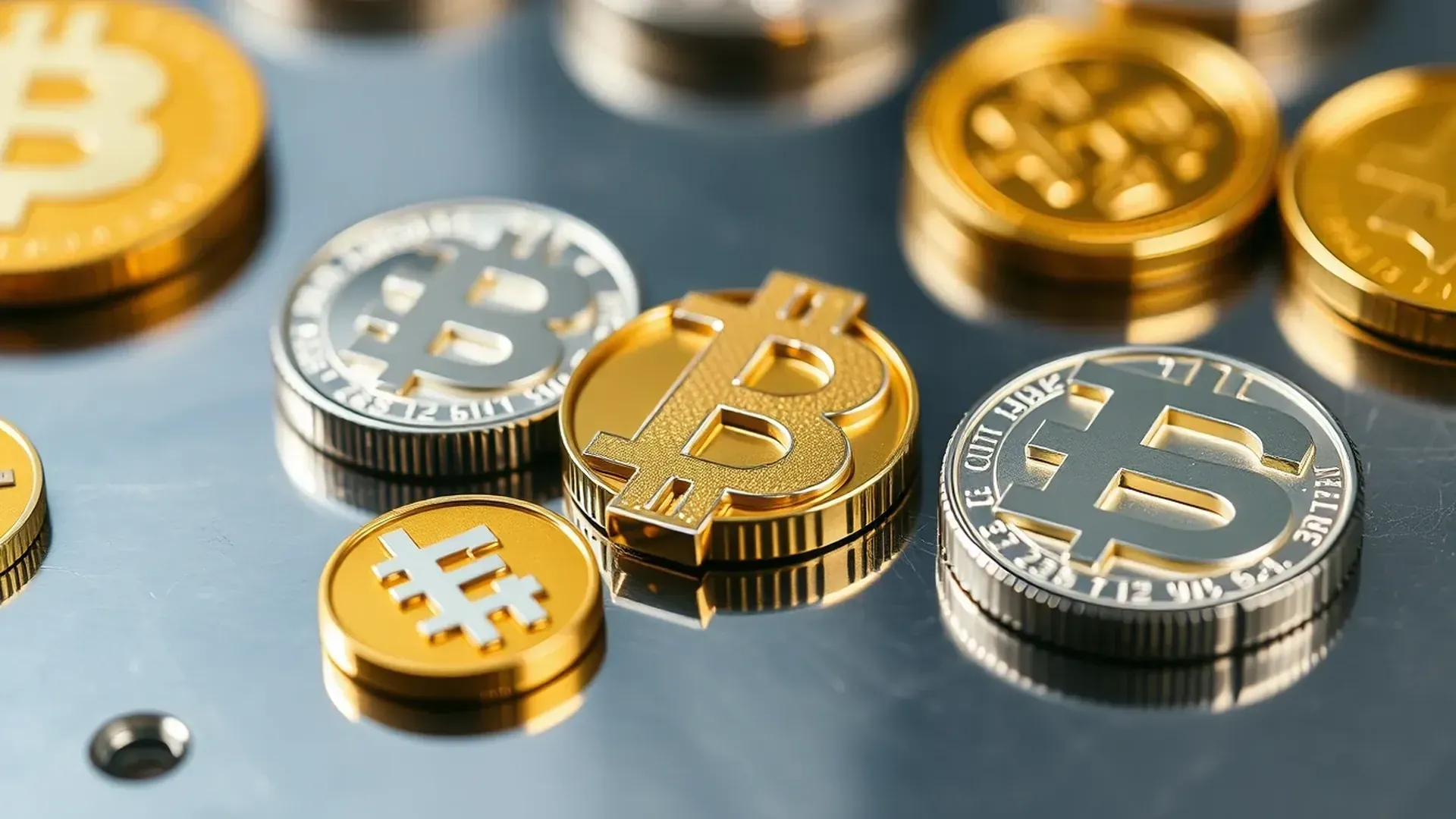
The future of digital assets in the forex market is a topic of great interest and speculation. As technology continues to advance, digital assets such as cryptocurrencies are gaining traction and becoming more widely accepted. This has led to increased interest in incorporating digital assets into the forex market, which is the largest and most liquid financial market in the world. In this introduction, we will explore the potential impact of digital assets on the forex market and discuss the challenges and opportunities that lie ahead.
The Impact of Cryptocurrencies on the Forex Market
The world of finance is constantly evolving, and one of the most significant developments in recent years has been the rise of cryptocurrencies. These digital assets, such as Bitcoin and Ethereum, have captured the attention of investors and traders around the world. But what impact do cryptocurrencies have on the forex market, and what does the future hold for digital assets in this arena?
Cryptocurrencies have had a profound impact on the forex market. Traditionally, the forex market has been dominated by fiat currencies, such as the US dollar, euro, and yen. However, the emergence of cryptocurrencies has introduced a new dynamic into the market. Cryptocurrencies are decentralized and operate on blockchain technology, which means they are not controlled by any central authority, such as a government or central bank.
This decentralization has several implications for the forex market. First and foremost, it means that cryptocurrencies can be traded 24/7, unlike traditional fiat currencies that are subject to market hours. This round-the-clock trading has attracted many traders who prefer the flexibility and accessibility of the cryptocurrency market.
Furthermore, cryptocurrencies have introduced a new level of transparency and security to the forex market. Transactions conducted with cryptocurrencies are recorded on the blockchain, which is a public ledger that is accessible to anyone. This transparency reduces the risk of fraud and manipulation, which has been a concern in the forex market.
In addition to these benefits, cryptocurrencies have also brought increased liquidity to the forex market. Liquidity refers to the ease with which an asset can be bought or sold without causing a significant change in its price. The high liquidity of cryptocurrencies has made them an attractive option for forex traders, as they can quickly enter and exit positions without impacting the market.
However, it is important to note that cryptocurrencies also present challenges for the forex market. One of the main challenges is volatility. Cryptocurrencies are known for their price volatility, with significant price swings occurring within short periods. This volatility can make it difficult for forex traders to accurately predict price movements and manage risk.
Another challenge is regulation. Unlike traditional fiat currencies, cryptocurrencies are not regulated by any central authority. This lack of regulation has raised concerns about money laundering, fraud, and market manipulation. As a result, many countries have implemented or are considering implementing regulations to govern the use of cryptocurrencies in the forex market.
Looking to the future, it is clear that digital assets will continue to play a significant role in the forex market. The benefits of cryptocurrencies, such as increased transparency, liquidity, and accessibility, are too significant to ignore. However, it is likely that the forex market will evolve to accommodate these new digital assets.
Regulation will likely play a crucial role in shaping the future of digital assets in the forex market. As governments and regulatory bodies develop frameworks to govern cryptocurrencies, traders and investors will have more confidence in the market. This increased confidence will attract more participants and further drive the adoption of digital assets in the forex market.
In conclusion, cryptocurrencies have had a profound impact on the forex market. They have introduced new levels of transparency, liquidity, and accessibility, while also presenting challenges such as volatility and regulation. However, the future of digital assets in the forex market looks promising. As regulation evolves and market participants become more comfortable with cryptocurrencies, we can expect to see increased adoption and integration of digital assets in the forex market.
Exploring the Potential of Blockchain Technology in Forex Trading
The world of finance is constantly evolving, and one of the most exciting developments in recent years has been the rise of digital assets. From cryptocurrencies like Bitcoin to digital tokens and virtual currencies, these digital assets have captured the imagination of investors and traders around the world. But what does the future hold for digital assets in the forex market? Can blockchain technology revolutionize forex trading?
Blockchain technology, the underlying technology behind digital assets, has the potential to transform the forex market in several ways. One of the key advantages of blockchain technology is its ability to provide a transparent and secure platform for transactions. Unlike traditional financial systems, which rely on intermediaries like banks to facilitate transactions, blockchain technology allows for peer-to-peer transactions without the need for intermediaries. This means that forex traders can execute trades directly with each other, reducing costs and increasing efficiency.
Another potential benefit of blockchain technology in forex trading is the ability to eliminate counterparty risk. In traditional forex trading, traders are exposed to the risk that their counterparty will default on their obligations. This can lead to significant losses and can make trading in the forex market risky. However, with blockchain technology, trades are recorded on a decentralized ledger that is accessible to all participants. This means that traders can verify the authenticity of trades and ensure that their counterparty has the necessary funds to fulfill their obligations.
In addition to these benefits, blockchain technology also has the potential to increase transparency in the forex market. Currently, the forex market is largely opaque, with traders relying on brokers and other intermediaries to provide them with information about prices and market conditions. However, with blockchain technology, all transactions are recorded on a public ledger that is accessible to all participants. This means that traders can have a clear view of the market and can make more informed trading decisions.
Despite these potential benefits, there are also challenges that need to be overcome before blockchain technology can be widely adopted in the forex market. One of the main challenges is scalability. Currently, blockchain networks like Bitcoin and Ethereum can only handle a limited number of transactions per second. This is a significant limitation for the forex market, which sees trillions of dollars’ worth of transactions every day. However, there are ongoing efforts to develop scalable blockchain solutions that can handle the demands of the forex market.
Another challenge is regulatory uncertainty. While some countries have embraced digital assets and blockchain technology, others have been more cautious. This regulatory uncertainty can make it difficult for forex traders to adopt blockchain technology and can limit its potential impact on the market. However, as governments and regulators become more familiar with digital assets and blockchain technology, it is likely that we will see more supportive regulatory frameworks emerge.
In conclusion, the future of digital assets in the forex market looks promising. Blockchain technology has the potential to revolutionize forex trading by providing a transparent and secure platform for transactions, eliminating counterparty risk, and increasing transparency. However, there are challenges that need to be overcome, including scalability and regulatory uncertainty. Nonetheless, as technology continues to advance and regulators become more familiar with digital assets, we can expect to see blockchain technology play an increasingly important role in the forex market.
The Role of Digital Assets in the Future of Forex Investments
The world of finance is constantly evolving, and one of the most exciting developments in recent years has been the rise of digital assets. These digital currencies, such as Bitcoin and Ethereum, have captured the imagination of investors and traders around the world. But what role will they play in the future of the forex market?
Digital assets have already made a significant impact on the forex market. In the past, trading currencies involved dealing with banks and other financial institutions. But with the advent of digital assets, individuals can now trade currencies directly with each other, without the need for intermediaries. This has opened up new opportunities for investors and traders, allowing them to access the forex market in a more efficient and cost-effective way.
One of the key advantages of digital assets in the forex market is their ability to facilitate cross-border transactions. Traditional currency transfers can be slow and expensive, especially when dealing with different currencies. But with digital assets, transactions can be completed in a matter of minutes, regardless of the currencies involved. This has the potential to revolutionize the way international trade is conducted, making it faster and more accessible to businesses and individuals around the world.
Another advantage of digital assets in the forex market is their potential for increased transparency. Traditional currency trading can be opaque, with limited visibility into the market and the actions of other traders. But with digital assets, every transaction is recorded on a public ledger, known as the blockchain. This means that anyone can view the details of a transaction, providing a level of transparency that is unprecedented in the forex market. This increased transparency can help to build trust and confidence among traders, leading to a more efficient and fair market.
Digital assets also have the potential to reduce the risk of fraud in the forex market. Traditional currency trading is susceptible to manipulation and fraud, with traders using various techniques to gain an unfair advantage. But with digital assets, the use of cryptography and decentralized networks makes it much more difficult for fraudsters to manipulate the market. This can help to protect investors and traders from fraudulent activities, making the forex market a safer place to invest and trade.
Of course, there are also challenges and risks associated with the use of digital assets in the forex market. The volatility of digital currencies is well-known, with prices often experiencing significant fluctuations in a short period of time. This can make it difficult for traders to predict market movements and make informed investment decisions. Additionally, the regulatory environment for digital assets is still evolving, with different countries taking different approaches to their regulation. This can create uncertainty and confusion for investors and traders, making it more difficult to navigate the market.
Despite these challenges, the future of digital assets in the forex market looks promising. As technology continues to advance, we can expect to see further innovations in the way digital assets are used in the forex market. This could include the development of new trading platforms and tools, as well as the integration of digital assets into existing financial systems. With their potential for increased efficiency, transparency, and security, digital assets have the potential to revolutionize the forex market and create new opportunities for investors and traders. So, keep an eye on this space – the future of digital assets in the forex market is bright!
Analyzing the Future Trends of Cryptocurrencies in the Forex Market
The world of finance is constantly evolving, and one of the most exciting developments in recent years has been the rise of digital assets. Cryptocurrencies like Bitcoin and Ethereum have captured the imagination of investors and traders alike, and their impact on the forex market cannot be ignored. In this article, we will analyze the future trends of cryptocurrencies in the forex market and explore what lies ahead for these digital assets.
First and foremost, it is important to understand the current state of cryptocurrencies in the forex market. While digital assets have gained significant popularity in recent years, they are still relatively new and not yet widely accepted by traditional financial institutions. However, this is changing rapidly as more and more companies and individuals embrace cryptocurrencies as a legitimate form of payment and investment.
One of the key trends that we can expect to see in the future is the integration of cryptocurrencies into existing forex trading platforms. As digital assets become more mainstream, forex brokers are likely to offer cryptocurrency trading alongside traditional currency pairs. This will provide traders with more options and opportunities to profit from the volatility of cryptocurrencies.
Another trend that is likely to shape the future of digital assets in the forex market is increased regulation. Currently, cryptocurrencies operate in a largely unregulated environment, which has led to concerns about fraud and market manipulation. However, as governments and financial institutions recognize the potential of cryptocurrencies, they are likely to introduce regulations to protect investors and ensure the stability of the market.
In addition to regulation, the development of blockchain technology will also play a significant role in the future of digital assets in the forex market. Blockchain, the underlying technology behind cryptocurrencies, has the potential to revolutionize the way financial transactions are conducted. Its decentralized and transparent nature makes it an ideal solution for the forex market, where trust and security are paramount.
Furthermore, the growing interest in central bank digital currencies (CBDCs) is another trend that will impact the future of digital assets in the forex market. CBDCs are digital currencies issued by central banks, and they have the potential to replace traditional fiat currencies. As more central banks explore the possibility of issuing CBDCs, the forex market will need to adapt to accommodate these new digital assets.
While the future of digital assets in the forex market looks promising, it is important to note that there are still challenges to overcome. The volatility of cryptocurrencies, for example, can make them a risky investment for traders. Additionally, the scalability and speed of blockchain technology need to be improved to handle the high volume of transactions in the forex market.
In conclusion, the future of digital assets in the forex market is bright. As cryptocurrencies become more mainstream and accepted by traditional financial institutions, we can expect to see increased integration and regulation. The development of blockchain technology and the rise of CBDCs will also shape the future of digital assets in the forex market. While there are challenges to overcome, the potential benefits of digital assets in the forex market cannot be ignored. So, keep an eye on this space as it continues to evolve and shape the future of finance.
Conclusion
In conclusion, the future of digital assets in the forex market appears promising. With the increasing adoption of cryptocurrencies and blockchain technology, digital assets are likely to play a significant role in the forex market. The benefits of digital assets, such as faster transactions, increased transparency, and reduced costs, make them attractive to traders and investors. However, regulatory challenges and market volatility remain key considerations for the widespread integration of digital assets in the forex market. Overall, as the technology continues to evolve and regulatory frameworks become more established, digital assets are expected to have a significant impact on the forex market in the future.