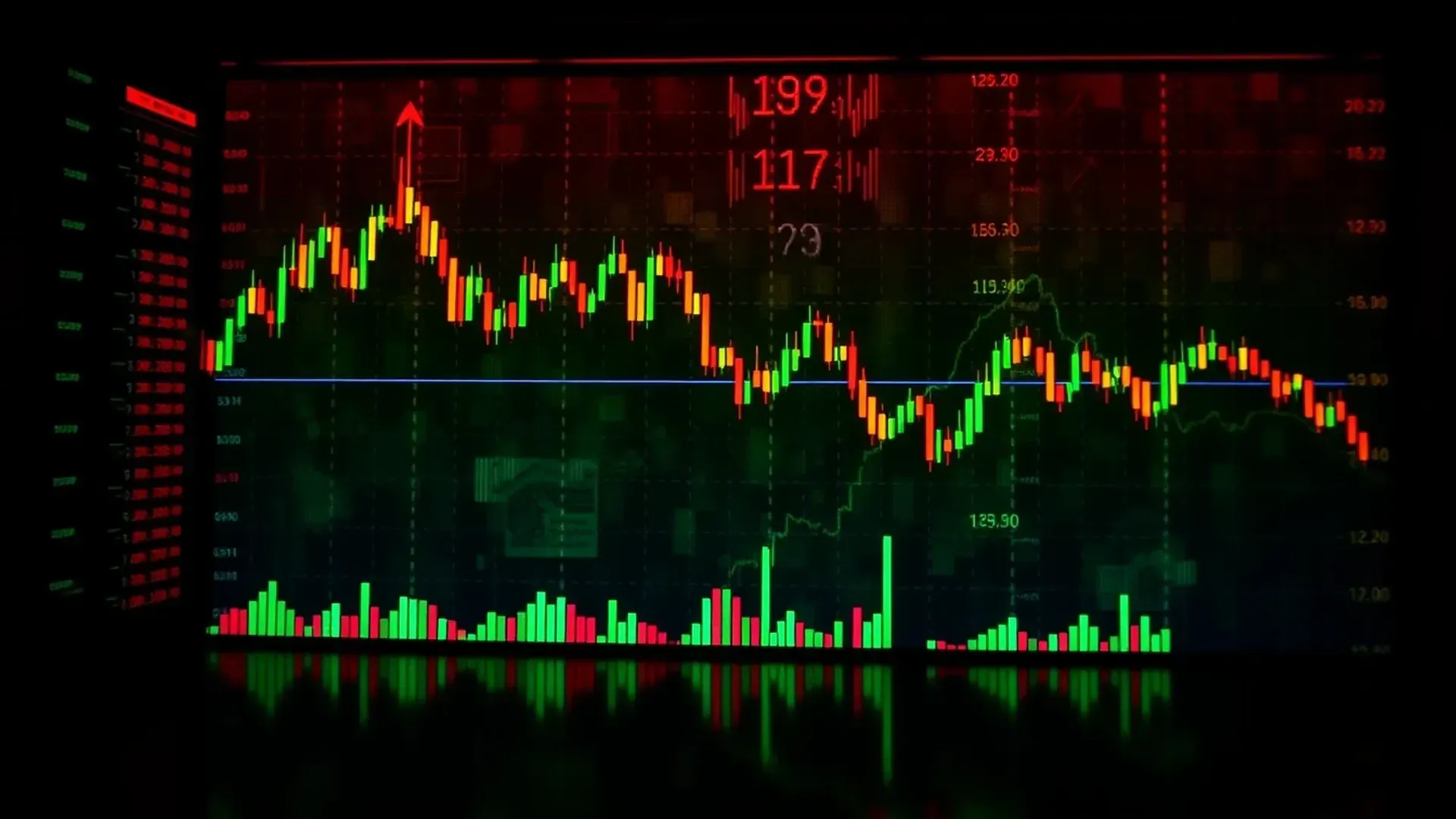
Before engaging in WTI trading in the Forex market, there are several key factors that traders should consider. These factors include understanding the fundamentals of WTI trading, analyzing market trends and price movements, assessing risk management strategies, staying updated with global economic and geopolitical events, and choosing a reliable and regulated broker. By carefully considering these factors, traders can make informed decisions and increase their chances of success in WTI trading within the Forex market.
Understanding the Basics of WTI Trading in the Forex Market
WTI trading in the Forex market can be an exciting and potentially profitable venture. However, before you jump in headfirst, there are a few key factors that you should consider. These factors will help you make informed decisions and increase your chances of success in this volatile market.
First and foremost, it is important to understand what WTI trading is all about. WTI stands for West Texas Intermediate, which is a type of crude oil that is used as a benchmark for oil prices. In the Forex market, WTI trading involves speculating on the price movements of this particular type of oil. It is important to note that WTI trading is different from trading other commodities or currencies, so it is crucial to have a good understanding of how it works.
One of the key factors to consider before engaging in WTI trading is the current state of the oil market. Oil prices can be influenced by a variety of factors, including geopolitical tensions, supply and demand dynamics, and economic indicators. Keeping an eye on these factors and staying informed about the latest news and developments in the oil market can help you make more accurate predictions and better trading decisions.
Another important factor to consider is your risk tolerance. WTI trading can be highly volatile, and prices can fluctuate rapidly. This means that there is a higher level of risk involved compared to trading other assets. Before you start trading, it is important to assess your risk tolerance and determine how much you are willing to invest and potentially lose. It is always a good idea to start with a smaller investment and gradually increase it as you gain more experience and confidence in your trading abilities.
Furthermore, it is crucial to have a solid trading strategy in place. A trading strategy is a set of rules and guidelines that you follow when making trading decisions. It helps you stay disciplined and avoid making impulsive or emotional decisions. Your trading strategy should include factors such as entry and exit points, stop-loss levels, and risk management techniques. Developing a trading strategy takes time and practice, but it is an essential step in becoming a successful WTI trader.
Additionally, it is important to choose a reliable and reputable Forex broker. Your broker will be responsible for executing your trades and providing you with the necessary tools and resources for trading. Look for a broker that offers competitive spreads, a user-friendly trading platform, and excellent customer support. It is also a good idea to read reviews and compare different brokers before making a decision.
Lastly, it is important to continuously educate yourself and stay updated on the latest trends and developments in the WTI market. The Forex market is constantly evolving, and staying informed can help you make better trading decisions. There are numerous resources available, such as online courses, webinars, and forums, where you can learn from experienced traders and industry experts.
In conclusion, engaging in WTI trading in the Forex market can be a rewarding experience, but it is important to consider several key factors before diving in. Understanding the basics of WTI trading, staying informed about the oil market, assessing your risk tolerance, developing a trading strategy, choosing a reliable broker, and continuously educating yourself are all crucial steps to increase your chances of success in this exciting market. So, take your time, do your research, and start your WTI trading journey with confidence.
Analyzing the Impact of Global Economic Factors on WTI Trading in the Forex Market
WTI trading in the Forex market can be a lucrative venture for those who understand the key factors that influence its performance. Before diving into this type of trading, it is essential to analyze the impact of global economic factors on WTI trading. By doing so, traders can make informed decisions and increase their chances of success.
One of the most crucial factors to consider is the global demand for oil. As the world’s most actively traded commodity, oil plays a significant role in the global economy. Any changes in demand can have a profound impact on WTI prices. For example, during periods of economic growth, the demand for oil tends to increase, driving up prices. Conversely, during economic downturns, demand decreases, leading to a decline in prices. Traders must keep a close eye on global economic indicators, such as GDP growth rates and consumer spending, to gauge the future demand for oil.
Another factor to consider is geopolitical tensions. Oil-producing countries are often located in politically unstable regions, and any conflicts or disruptions in these areas can significantly impact WTI prices. For instance, tensions in the Middle East, which is a major oil-producing region, can cause oil prices to skyrocket. Traders need to stay informed about geopolitical events and their potential impact on oil production and transportation.
Furthermore, the value of the US dollar plays a crucial role in WTI trading. Since oil is priced in US dollars, any fluctuations in the currency can affect WTI prices. When the US dollar strengthens, it becomes more expensive for buyers using other currencies to purchase oil, leading to a decrease in demand and lower WTI prices. Conversely, a weaker US dollar makes oil more affordable for international buyers, driving up demand and increasing WTI prices. Traders should closely monitor the US dollar index and keep an eye on any developments that could impact its value.
In addition to global economic factors, traders must also consider supply and demand dynamics specific to the oil market. The Organization of the Petroleum Exporting Countries (OPEC) plays a significant role in influencing oil prices through its production decisions. When OPEC members agree to cut production, it reduces the global supply of oil, leading to higher prices. Conversely, when OPEC increases production, it can lead to oversupply and lower prices. Traders should closely follow OPEC meetings and announcements to anticipate potential shifts in oil prices.
Lastly, traders must be aware of market sentiment and investor behavior. The Forex market is driven by the actions and decisions of millions of traders worldwide. Sentiment can quickly shift based on economic news, geopolitical events, or even rumors. By understanding market sentiment, traders can anticipate potential price movements and adjust their strategies accordingly.
In conclusion, engaging in WTI trading in the Forex market requires a thorough analysis of global economic factors. Traders must consider the global demand for oil, geopolitical tensions, the value of the US dollar, supply and demand dynamics, and market sentiment. By staying informed and understanding these key factors, traders can make more informed decisions and increase their chances of success in WTI trading.
Evaluating Risk Management Strategies for WTI Trading in the Forex Market
WTI trading in the Forex market can be an exciting and potentially profitable venture. However, before diving in headfirst, it is important to consider a few key factors to ensure that you are adequately prepared and have a solid risk management strategy in place.
First and foremost, it is crucial to understand the nature of WTI trading and how it differs from other types of trading in the Forex market. WTI, or West Texas Intermediate, is a type of crude oil that is commonly used as a benchmark for oil prices. As such, WTI trading is heavily influenced by factors such as geopolitical events, supply and demand dynamics, and economic indicators.
One of the key factors to consider before engaging in WTI trading is your risk tolerance. Trading in the Forex market can be highly volatile, and WTI trading is no exception. Prices can fluctuate rapidly, and unexpected events can have a significant impact on the market. It is important to assess your risk tolerance and determine how much you are willing to potentially lose before entering into any trades.
Another important factor to consider is your trading strategy. Are you planning to trade WTI on a short-term or long-term basis? Will you be using technical analysis, fundamental analysis, or a combination of both? Having a clear trading strategy in place can help guide your decision-making process and increase your chances of success.
In addition to your trading strategy, it is also important to consider your trading capital. How much money are you willing to invest in WTI trading? It is generally recommended to only invest money that you can afford to lose, as there is always a risk of losing your entire investment. It is also important to diversify your trading capital and not put all of your eggs in one basket. Consider spreading your investments across different assets to minimize risk.
Risk management is another crucial factor to consider before engaging in WTI trading. This involves implementing strategies to protect your capital and limit potential losses. One common risk management strategy is setting stop-loss orders, which automatically close your position if the price reaches a certain level. This can help prevent significant losses in the event of a sudden market downturn.
Furthermore, it is important to stay informed and keep up with the latest news and developments in the oil market. This can help you make more informed trading decisions and stay ahead of any potential risks or opportunities. Following reputable news sources, attending webinars or seminars, and joining online trading communities can all be valuable sources of information.
In conclusion, before engaging in WTI trading in the Forex market, it is important to consider several key factors. These include understanding the nature of WTI trading, assessing your risk tolerance, developing a trading strategy, determining your trading capital, implementing risk management strategies, and staying informed. By carefully considering these factors and having a solid risk management strategy in place, you can increase your chances of success in WTI trading.
Identifying Key Technical Indicators for Successful WTI Trading in the Forex Market
WTI trading in the Forex market can be a lucrative venture for those who are well-informed and prepared. However, before diving into this type of trading, it is important to consider a few key factors that can greatly impact your success. In this article, we will discuss some of the most important factors to consider before engaging in WTI trading in the Forex market.
First and foremost, it is crucial to have a solid understanding of the Forex market and how it operates. The Forex market is a decentralized global marketplace where currencies are traded. It is important to familiarize yourself with the various currency pairs and their respective values. Additionally, understanding the factors that influence currency exchange rates, such as economic indicators and geopolitical events, is essential.
Another key factor to consider before engaging in WTI trading in the Forex market is the level of risk you are willing to take. Trading in the Forex market can be highly volatile, and prices can fluctuate rapidly. It is important to assess your risk tolerance and determine how much capital you are willing to put at stake. Setting a clear risk management strategy and sticking to it is crucial for long-term success in WTI trading.
Technical analysis is another important factor to consider before engaging in WTI trading in the Forex market. Technical analysis involves studying historical price data and using various indicators to predict future price movements. There are several key technical indicators that can be used to analyze WTI trading in the Forex market.
One important technical indicator to consider is moving averages. Moving averages help to smooth out price data and identify trends. By analyzing the relationship between short-term and long-term moving averages, traders can identify potential entry and exit points for WTI trades.
Another important technical indicator is the Relative Strength Index (RSI). The RSI is a momentum oscillator that measures the speed and change of price movements. By analyzing the RSI, traders can determine whether a currency pair is overbought or oversold, which can help inform their trading decisions.
Additionally, it is important to consider support and resistance levels when engaging in WTI trading in the Forex market. Support levels are price levels where buying pressure is expected to outweigh selling pressure, causing prices to bounce back up. Resistance levels, on the other hand, are price levels where selling pressure is expected to outweigh buying pressure, causing prices to reverse. Identifying these levels can help traders determine potential entry and exit points for WTI trades.
In conclusion, there are several key factors to consider before engaging in WTI trading in the Forex market. Understanding the Forex market, assessing your risk tolerance, and utilizing technical indicators are all crucial for success in WTI trading. By taking the time to consider these factors and develop a solid trading strategy, you can increase your chances of success in WTI trading in the Forex market.
Conclusion
Before engaging in WTI trading in the Forex market, it is important to consider the following key factors:
1. Understanding of the WTI market: Gain a comprehensive understanding of the WTI market, including its dynamics, price movements, and factors that influence its value.
2. Risk management: Develop a solid risk management strategy to protect against potential losses. This includes setting stop-loss orders, diversifying your portfolio, and managing leverage effectively.
3. Economic indicators: Stay updated on key economic indicators that impact the WTI market, such as supply and demand data, geopolitical events, and global economic trends.
4. Technical analysis: Utilize technical analysis tools and indicators to identify potential entry and exit points, as well as to analyze price patterns and trends.
5. Fundamental analysis: Consider fundamental factors that affect the WTI market, such as production levels, inventories, political developments, and global energy policies.
6. Broker selection: Choose a reputable and regulated broker that offers competitive spreads, reliable execution, and suitable trading platforms for WTI trading.
7. Market liquidity: Assess the liquidity of the WTI market to ensure that there is sufficient trading volume and tight spreads, allowing for efficient execution of trades.
8. Trading plan: Develop a well-defined trading plan that outlines your goals, risk tolerance, and strategies. Stick to your plan and avoid impulsive trading decisions.
In conclusion, before engaging in WTI trading in the Forex market, it is crucial to have a strong understanding of the market, implement effective risk management strategies, stay informed about economic indicators, utilize technical and fundamental analysis, choose a reputable broker, assess market liquidity, and develop a comprehensive trading plan.