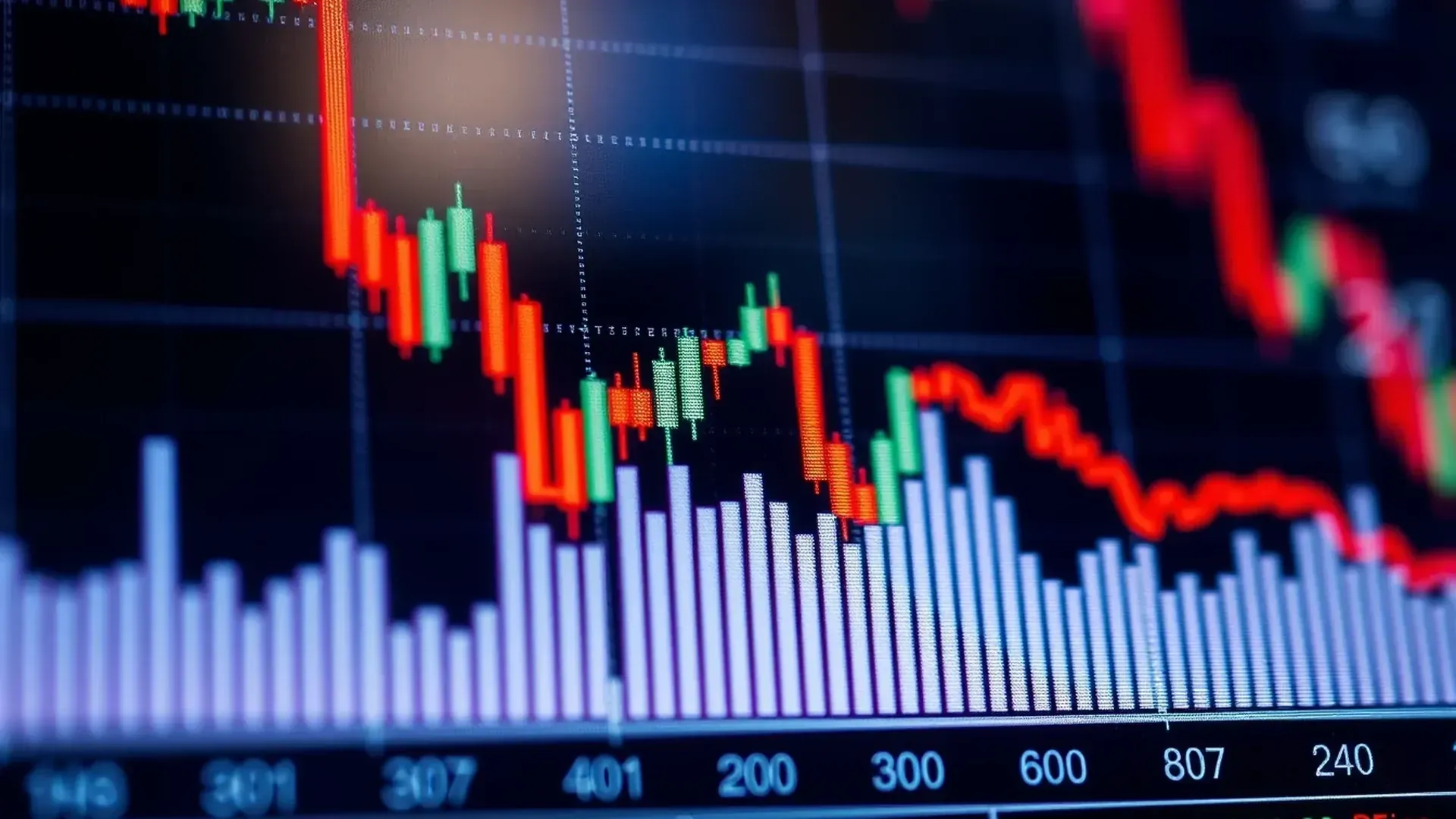
Technical analysis is a crucial tool for forex traders looking to make informed decisions and maximize their profits. By incorporating technical analysis into your trading plan, you can gain valuable insights into market trends, price patterns, and potential entry and exit points. This introduction will provide an overview of how to effectively integrate technical analysis into your forex trading plan, enabling you to make more informed and strategic trading decisions.
The Importance of Technical Analysis in Forex Trading
The world of forex trading can be a complex and unpredictable one. With so many factors influencing currency exchange rates, it can be difficult to make informed decisions about when to buy or sell. This is where technical analysis comes in. Technical analysis is a method of predicting future price movements based on historical data. By analyzing charts and patterns, traders can gain valuable insights into market trends and make more informed trading decisions.
So why is technical analysis so important in forex trading? Well, for starters, it helps traders identify potential entry and exit points. By studying price charts, traders can spot patterns and trends that indicate when a currency pair is likely to move in a certain direction. This can be incredibly valuable information, as it allows traders to enter trades at the most opportune times and maximize their profits.
Technical analysis also helps traders manage risk. By identifying support and resistance levels, traders can set stop-loss orders to limit their potential losses. This is especially important in forex trading, where the market can be highly volatile and unpredictable. By using technical analysis to set stop-loss orders, traders can protect themselves from significant losses and ensure that their trading capital is preserved.
Another reason why technical analysis is important in forex trading is that it helps traders make sense of market psychology. The forex market is driven by the actions and emotions of millions of traders around the world. By studying price charts and patterns, traders can gain insights into market sentiment and make more accurate predictions about future price movements. This can be particularly useful during times of market volatility, when emotions can run high and irrational decisions can be made.
Incorporating technical analysis into your trading plan is relatively straightforward. The first step is to familiarize yourself with the different types of charts and indicators that are commonly used in technical analysis. There are many resources available online that can help you learn the basics of technical analysis and how to interpret different chart patterns.
Once you have a good understanding of the basics, you can start incorporating technical analysis into your trading plan. This involves regularly analyzing price charts and looking for patterns and trends that indicate potential trading opportunities. It’s important to remember that technical analysis is not a foolproof method of predicting future price movements. It’s just one tool in your trading arsenal, and it should be used in conjunction with other forms of analysis and risk management strategies.
In conclusion, technical analysis is an important tool for forex traders. It helps traders identify potential entry and exit points, manage risk, and make sense of market psychology. By incorporating technical analysis into your trading plan, you can increase your chances of making profitable trades and achieving long-term success in the forex market. So take the time to learn about technical analysis and start using it in your trading today.
How to Create an Effective Trading Plan for Forex Using Technical Analysis
Forex trading can be a highly profitable venture if done correctly. However, it requires careful planning and analysis to make informed trading decisions. One effective way to analyze the forex market is through technical analysis. By incorporating technical analysis into your trading plan, you can increase your chances of success and minimize the risks involved.
Technical analysis involves studying historical price data and using various tools and indicators to identify patterns and trends. It helps traders understand market behavior and make predictions about future price movements. By analyzing charts and indicators, traders can identify potential entry and exit points for their trades.
To incorporate technical analysis into your trading plan, the first step is to choose the right tools and indicators. There are numerous technical analysis tools available, such as moving averages, oscillators, and trend lines. Each tool has its own strengths and weaknesses, so it’s important to choose the ones that align with your trading style and objectives.
Once you have selected the tools, the next step is to analyze the forex market using these tools. Start by studying historical price data and identifying patterns and trends. Look for support and resistance levels, which are areas where the price tends to reverse or stall. These levels can be used as potential entry or exit points for your trades.
In addition to support and resistance levels, it’s also important to identify trend lines. Trend lines are drawn by connecting the highs or lows of price movements. They can help you determine the direction of the market and identify potential trend reversals. By analyzing trend lines, you can make more accurate predictions about future price movements.
Another important aspect of technical analysis is the use of indicators. Indicators are mathematical calculations based on price and volume data. They can help traders identify overbought or oversold conditions, as well as potential trend reversals. Some popular indicators include the Relative Strength Index (RSI), Moving Average Convergence Divergence (MACD), and Stochastic Oscillator.
Once you have analyzed the forex market using technical analysis tools and indicators, the next step is to develop a trading strategy based on your findings. A trading strategy is a set of rules and guidelines that dictate when to enter and exit trades. It should be based on your risk tolerance, trading style, and objectives.
When developing your trading strategy, consider factors such as the time frame you will be trading, the currency pairs you will be trading, and the risk-reward ratio you are comfortable with. It’s also important to set realistic profit targets and stop-loss levels to manage your risk effectively.
Finally, it’s crucial to backtest your trading strategy before implementing it in live trading. Backtesting involves applying your trading strategy to historical price data to see how it would have performed in the past. This can help you identify any flaws or weaknesses in your strategy and make necessary adjustments.
In conclusion, incorporating technical analysis into your trading plan for forex trading can greatly improve your chances of success. By studying historical price data, identifying patterns and trends, and using various tools and indicators, you can make more informed trading decisions. Remember to choose the right tools and indicators, develop a trading strategy based on your findings, and backtest your strategy before implementing it. With a well-designed trading plan that incorporates technical analysis, you can navigate the forex market with confidence and increase your profitability.
Key Technical Indicators to Include in Your Forex Trading Plan
Technical analysis is a crucial aspect of forex trading. It involves studying historical price data and using various indicators to predict future price movements. By incorporating technical analysis into your trading plan, you can make more informed decisions and increase your chances of success in the forex market.
One key aspect of incorporating technical analysis into your trading plan is to include key technical indicators. These indicators provide valuable insights into market trends and help you identify potential entry and exit points. Let’s take a look at some of the key technical indicators that you should consider including in your forex trading plan.
The first indicator to consider is the moving average. This indicator calculates the average price over a specific period of time and helps smooth out price fluctuations. By using moving averages, you can identify the overall trend of a currency pair and make more accurate predictions about future price movements.
Another important indicator is the relative strength index (RSI). The RSI measures the speed and change of price movements and helps determine whether a currency pair is overbought or oversold. By using the RSI, you can identify potential reversal points and adjust your trading strategy accordingly.
The next indicator to consider is the Bollinger Bands. These bands consist of a moving average and two standard deviation lines. They help identify periods of high volatility and potential price breakouts. By using Bollinger Bands, you can determine when to enter or exit a trade and manage your risk more effectively.
The stochastic oscillator is another valuable indicator to include in your trading plan. It compares the closing price of a currency pair to its price range over a specific period of time. The stochastic oscillator helps identify overbought and oversold conditions, allowing you to make more informed trading decisions.
Additionally, the Fibonacci retracement tool is a popular indicator among forex traders. It helps identify potential support and resistance levels based on the Fibonacci sequence. By using the Fibonacci retracement tool, you can determine where price corrections are likely to occur and adjust your trading strategy accordingly.
Lastly, the MACD (Moving Average Convergence Divergence) is a powerful indicator that combines moving averages with momentum. It helps identify potential trend reversals and provides signals for buying or selling a currency pair. By incorporating the MACD into your trading plan, you can make more accurate predictions about future price movements.
In conclusion, incorporating technical analysis into your trading plan is essential for successful forex trading. By including key technical indicators such as moving averages, RSI, Bollinger Bands, stochastic oscillator, Fibonacci retracement, and MACD, you can make more informed trading decisions and increase your chances of success in the forex market. Remember to analyze these indicators in conjunction with other factors such as fundamental analysis and market sentiment to develop a comprehensive trading strategy.
Strategies for Incorporating Technical Analysis into Your Forex Trading Plan
Technical analysis is a valuable tool for forex traders looking to make informed decisions and maximize their profits. By analyzing historical price data and using various indicators, traders can identify patterns and trends that can help them predict future price movements. In this article, we will discuss some strategies for incorporating technical analysis into your forex trading plan.
One of the first steps in incorporating technical analysis into your trading plan is to familiarize yourself with the different types of charts and indicators available. Candlestick charts, line charts, and bar charts are some of the most commonly used chart types in forex trading. Each chart type has its own advantages and disadvantages, so it’s important to choose the one that best suits your trading style.
Once you have chosen a chart type, you can start adding indicators to your charts. Indicators are mathematical calculations that are applied to price data to help identify trends and patterns. Some popular indicators used in forex trading include moving averages, relative strength index (RSI), and stochastic oscillator. It’s important to note that no single indicator can guarantee accurate predictions, so it’s often a good idea to use multiple indicators to confirm your analysis.
Another strategy for incorporating technical analysis into your trading plan is to identify key support and resistance levels. Support levels are price levels where buying pressure is strong enough to prevent the price from falling further, while resistance levels are price levels where selling pressure is strong enough to prevent the price from rising further. By identifying these levels, you can make more informed decisions about when to enter or exit a trade.
In addition to support and resistance levels, trend lines are another useful tool for technical analysis. Trend lines are lines drawn on a chart to connect the highs or lows of a trend. They can help traders identify the direction of a trend and potential reversal points. When a trend line is broken, it can signal a change in the market sentiment and provide an opportunity for traders to enter or exit a trade.
Risk management is another important aspect of incorporating technical analysis into your trading plan. By setting stop-loss orders and take-profit orders, you can limit your losses and protect your profits. Stop-loss orders are placed below the entry price to automatically close a trade if the price moves against you, while take-profit orders are placed above the entry price to automatically close a trade when a certain profit target is reached.
Finally, it’s important to regularly review and update your trading plan based on your analysis. The forex market is constantly changing, and what worked in the past may not work in the future. By regularly reviewing your trading plan and adjusting your strategies, you can adapt to changing market conditions and increase your chances of success.
In conclusion, incorporating technical analysis into your forex trading plan can help you make more informed decisions and increase your chances of success. By familiarizing yourself with different chart types and indicators, identifying key support and resistance levels, using trend lines, managing your risk, and regularly reviewing your trading plan, you can develop a solid foundation for successful forex trading. Remember, practice makes perfect, so don’t be afraid to experiment with different strategies and find what works best for you.
Conclusion
In conclusion, incorporating technical analysis into your trading plan for forex trading can be a valuable tool for making informed trading decisions. By studying price charts, identifying patterns, and using various technical indicators, traders can gain insights into market trends and potential price movements. It is important to combine technical analysis with other fundamental and risk management strategies to develop a comprehensive trading plan. Regularly reviewing and adjusting your technical analysis approach can help improve trading performance and increase the likelihood of successful trades in the forex market.