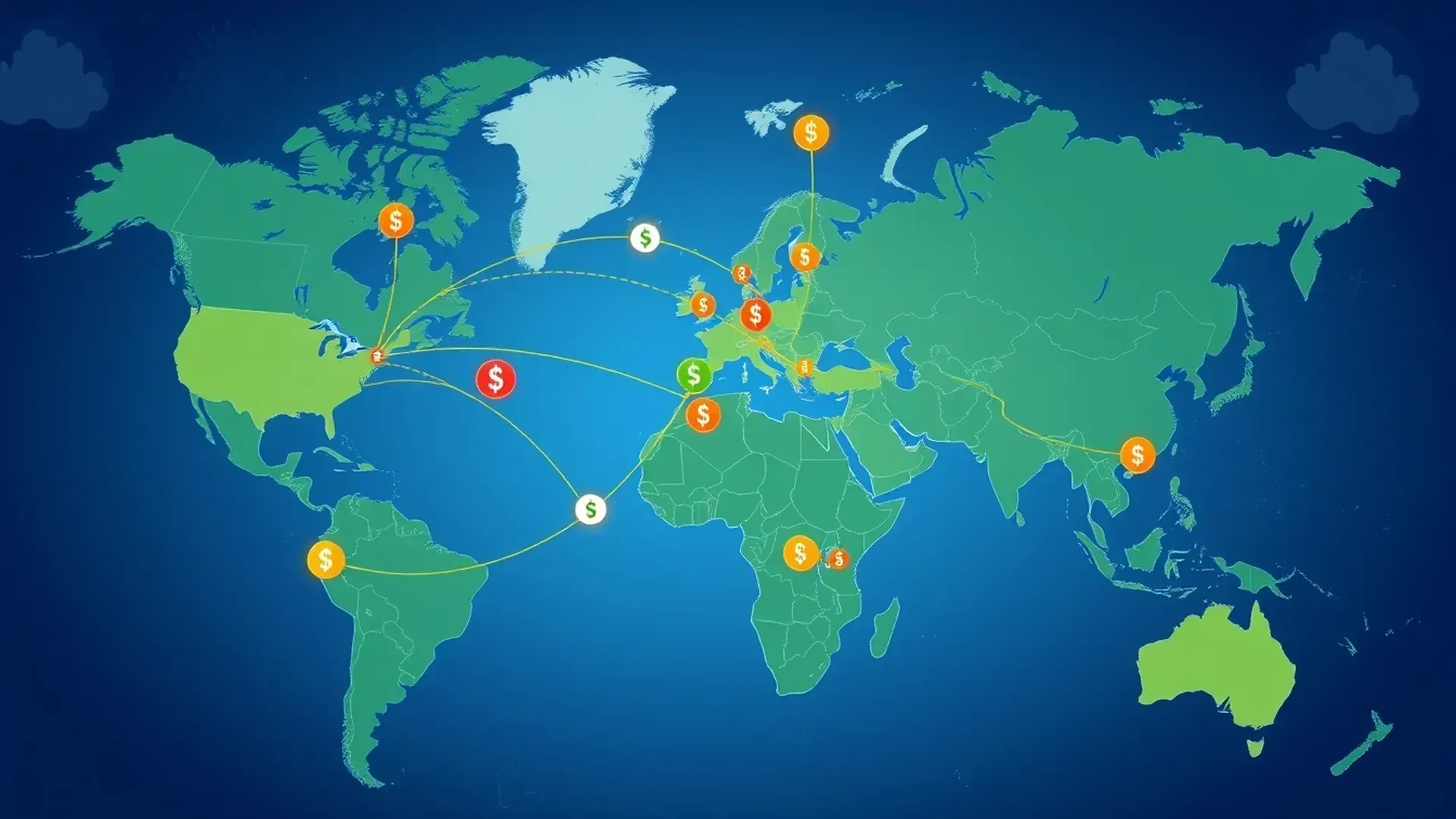
Technology plays a crucial role in improving delivery in forex trading. With the advancements in technology, traders now have access to a wide range of tools and platforms that enhance their ability to execute trades efficiently and effectively. From automated trading systems to real-time data analysis, technology has revolutionized the way forex trading is conducted, leading to faster and more accurate trade execution, reduced costs, and increased profitability. In this article, we will explore the various ways in which technology has improved delivery in forex trading and its impact on the overall trading experience.
The Impact of Technology on Delivery Speed in Forex Trading
The world of forex trading has undergone a significant transformation in recent years, thanks to advancements in technology. One area where technology has had a profound impact is in improving the delivery speed of forex trades. In this article, we will explore the role of technology in enhancing delivery in forex trading.
Gone are the days when traders had to rely on phone calls and physical paperwork to execute trades. With the advent of electronic trading platforms, the process has become much faster and more efficient. These platforms allow traders to place orders and execute trades with just a few clicks, eliminating the need for manual intervention.
One of the key ways technology has improved delivery speed in forex trading is through the use of high-speed internet connections. In the past, traders had to rely on slow and unreliable internet connections, which often resulted in delays and missed opportunities. However, with the widespread availability of high-speed internet, traders can now execute trades in real-time, ensuring that they don’t miss out on any profitable opportunities.
Another technological advancement that has greatly improved delivery speed is the use of algorithmic trading. Algorithmic trading involves the use of computer programs to automatically execute trades based on pre-defined criteria. These programs can analyze market data and execute trades at lightning-fast speeds, much faster than any human trader could ever hope to achieve. This not only improves delivery speed but also reduces the risk of human error.
Furthermore, the use of mobile trading apps has revolutionized the way traders execute trades. With these apps, traders can now place orders and monitor their positions on the go, without being tied to a desktop computer. This means that traders can take advantage of market opportunities even when they are away from their desks, further improving delivery speed.
In addition to these advancements, technology has also improved the efficiency of trade settlement and clearing processes. In the past, settling and clearing trades could take days, resulting in delays and increased risk. However, with the use of electronic settlement systems, trades can now be settled and cleared almost instantaneously. This not only improves delivery speed but also reduces counterparty risk.
It is important to note that while technology has greatly improved delivery speed in forex trading, it is not without its challenges. The increased reliance on technology has also increased the risk of technical glitches and system failures. Traders must be aware of these risks and have contingency plans in place to mitigate them.
In conclusion, technology has played a crucial role in improving delivery speed in forex trading. From high-speed internet connections to algorithmic trading and mobile apps, traders now have access to tools that allow them to execute trades faster and more efficiently. However, it is important to remember that technology is not infallible, and traders must be prepared to deal with any technical issues that may arise. Nonetheless, the overall impact of technology on delivery speed in forex trading has been overwhelmingly positive, and it is likely to continue to play a significant role in the future.
How Technology Enhances Efficiency in Forex Trading Delivery
The world of forex trading has undergone a significant transformation in recent years, thanks to advancements in technology. Gone are the days when traders had to rely solely on phone calls and physical exchanges to execute trades. Today, technology plays a crucial role in improving the delivery of forex trading, making it more efficient and accessible than ever before.
One of the key ways technology enhances efficiency in forex trading delivery is through the use of online trading platforms. These platforms provide traders with a user-friendly interface that allows them to execute trades with just a few clicks. Gone are the days of waiting for a broker to place an order on your behalf. With online trading platforms, traders can take control of their trades and execute them instantly, eliminating any delays or miscommunications that may occur with traditional methods.
Furthermore, technology has also made it possible for traders to access real-time market data and analysis. With just a few clicks, traders can access charts, graphs, and other tools that provide valuable insights into market trends and patterns. This allows traders to make more informed decisions and execute trades at the most opportune times. In the fast-paced world of forex trading, having access to real-time data can make all the difference between a profitable trade and a loss.
Another way technology improves delivery in forex trading is through the use of automated trading systems. These systems, also known as forex robots or expert advisors, are computer programs that can execute trades on behalf of the trader. By using predefined algorithms and parameters, these systems can analyze market conditions and execute trades automatically, without the need for human intervention.
Automated trading systems offer several advantages. Firstly, they eliminate the emotional aspect of trading. Emotions such as fear and greed can often cloud a trader’s judgment and lead to poor decision-making. By relying on automated systems, traders can remove these emotions from the equation and stick to their predefined strategies.
Secondly, automated trading systems can execute trades at a much faster pace than humans. They can analyze market conditions and execute trades within milliseconds, ensuring that traders don’t miss out on any profitable opportunities. This speed is crucial in the forex market, where prices can change rapidly.
Lastly, technology has also made it possible for traders to access the forex market from anywhere in the world. With the advent of mobile trading apps, traders can now execute trades from their smartphones or tablets, giving them the flexibility to trade on the go. Whether they are on a business trip or sitting on a beach, traders can stay connected to the market and take advantage of trading opportunities as they arise.
In conclusion, technology has revolutionized the world of forex trading by enhancing efficiency in delivery. Online trading platforms, real-time market data, and automated trading systems have made it easier for traders to execute trades, make informed decisions, and access the market from anywhere in the world. As technology continues to advance, we can expect further improvements in the delivery of forex trading, making it even more efficient and accessible to traders of all levels.
The Role of Technology in Improving Accuracy and Reliability in Forex Trading Delivery
The world of forex trading has undergone significant changes in recent years, thanks to advancements in technology. Gone are the days when traders had to rely solely on phone calls and physical exchanges to execute trades. Today, technology plays a crucial role in improving the accuracy and reliability of forex trading delivery.
One of the key ways technology has improved delivery in forex trading is through the use of electronic trading platforms. These platforms allow traders to execute trades electronically, eliminating the need for manual intervention. This not only speeds up the trading process but also reduces the risk of errors that can occur when trades are executed manually.
Furthermore, electronic trading platforms provide traders with access to real-time market data and analysis. This allows them to make more informed trading decisions and react quickly to market changes. With the click of a button, traders can execute trades based on the latest market information, ensuring that they are always up to date and taking advantage of profitable opportunities.
Another way technology has improved delivery in forex trading is through the use of algorithmic trading. Algorithmic trading involves the use of computer programs to execute trades based on predefined rules and parameters. These programs can analyze vast amounts of data and execute trades at lightning-fast speeds, far beyond what a human trader could achieve.
Algorithmic trading not only improves the speed of trade execution but also eliminates the emotional aspect of trading. Human traders can be influenced by fear, greed, or other emotions, which can lead to irrational trading decisions. Algorithmic trading removes these emotions from the equation, ensuring that trades are executed based on logic and predefined rules.
In addition to electronic trading platforms and algorithmic trading, technology has also improved the reliability of forex trading delivery through the use of automated risk management systems. These systems monitor trades in real-time and automatically apply risk management measures, such as stop-loss orders, to limit potential losses.
By automating risk management, traders can have peace of mind knowing that their trades are being monitored and protected even when they are not actively watching the market. This reduces the risk of significant losses and allows traders to focus on other aspects of their trading strategy.
Furthermore, technology has also improved the reliability of forex trading delivery through the use of secure and efficient payment systems. Traders can now easily deposit and withdraw funds from their trading accounts using various electronic payment methods. This eliminates the need for physical checks or wire transfers, which can be time-consuming and prone to errors.
Overall, technology has played a crucial role in improving the accuracy and reliability of forex trading delivery. Electronic trading platforms, algorithmic trading, automated risk management systems, and efficient payment systems have all contributed to making forex trading faster, more efficient, and less prone to errors. As technology continues to advance, we can expect further improvements in the delivery of forex trading, ultimately benefiting traders around the world.
Leveraging Technology for Seamless Delivery Processes in Forex Trading
The world of forex trading has undergone significant changes in recent years, thanks to advancements in technology. Gone are the days when traders had to rely solely on phone calls and physical exchanges to execute trades. Today, technology plays a crucial role in improving the delivery processes in forex trading, making it more efficient and seamless.
One of the key ways technology has revolutionized forex trading is through the use of electronic trading platforms. These platforms allow traders to execute trades electronically, eliminating the need for physical exchanges. With just a few clicks, traders can buy or sell currencies from the comfort of their own homes or offices. This not only saves time but also reduces the risk of errors that can occur during manual trading.
Furthermore, electronic trading platforms provide traders with access to real-time market data and analysis. This information is crucial for making informed trading decisions. Traders can monitor currency prices, track market trends, and analyze historical data to identify potential trading opportunities. With this wealth of information at their fingertips, traders can make more accurate predictions and increase their chances of making profitable trades.
Another way technology has improved delivery in forex trading is through the use of automated trading systems. These systems, also known as forex robots or expert advisors, are computer programs that can execute trades on behalf of traders. They are designed to follow pre-programmed trading strategies and can analyze market conditions and execute trades automatically. This eliminates the need for manual intervention and allows traders to take advantage of trading opportunities even when they are not actively monitoring the market.
Automated trading systems also help to remove emotions from trading decisions. Emotions such as fear and greed can often cloud judgment and lead to poor trading decisions. By relying on automated systems, traders can stick to their predetermined strategies without being influenced by emotions. This can lead to more consistent and disciplined trading, ultimately improving overall delivery in forex trading.
In addition to electronic trading platforms and automated trading systems, technology has also facilitated the development of mobile trading applications. These applications allow traders to access their trading accounts and execute trades from their smartphones or tablets. This means that traders can stay connected to the market and take advantage of trading opportunities even when they are on the go. Mobile trading applications have made forex trading more accessible and convenient, allowing traders to stay connected to the market at all times.
Overall, technology has played a crucial role in improving delivery processes in forex trading. Electronic trading platforms, automated trading systems, and mobile trading applications have all contributed to making forex trading more efficient and seamless. Traders now have access to real-time market data, can execute trades with just a few clicks, and can even automate their trading strategies. These advancements have not only made forex trading more accessible but have also increased the potential for profitability. As technology continues to evolve, it is likely that we will see further improvements in the delivery processes of forex trading, making it an even more attractive option for traders around the world.
Conclusion
In conclusion, technology plays a crucial role in improving delivery in forex trading. It has revolutionized the way trades are executed, providing faster and more efficient processes. Automated trading systems, algorithmic trading, and high-frequency trading have all contributed to increased speed and accuracy in executing trades. Additionally, technology has enabled real-time access to market data and analysis, allowing traders to make more informed decisions. Overall, the advancements in technology have greatly enhanced the delivery aspect of forex trading, leading to improved efficiency and profitability for traders.