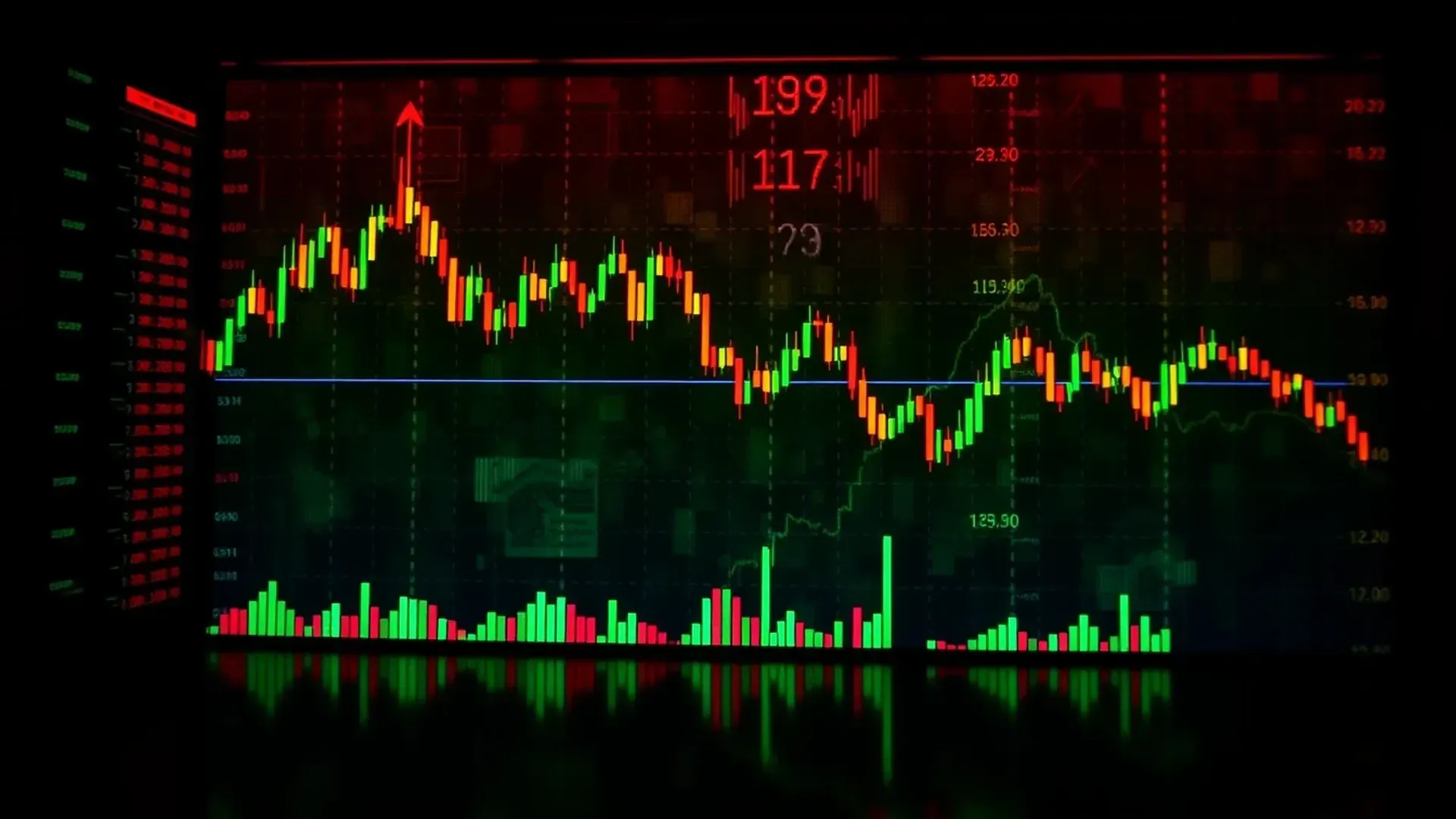
Implied rates and market sentiment are crucial factors in gauging investor confidence in forex trading. Implied rates refer to the interest rate expectations derived from the pricing of interest rate derivatives. They provide insights into market participants’ expectations regarding future interest rate movements. On the other hand, market sentiment reflects the overall attitude and perception of traders and investors towards a particular currency or the forex market as a whole. By analyzing implied rates and market sentiment, forex traders can gain valuable information about investor confidence, which can help inform their trading decisions.
Understanding Implied Rates and Their Impact on Forex Trading
Implied Rates and Market Sentiment: How to Gauge Investor Confidence in Forex Trading
Understanding Implied Rates and Their Impact on Forex Trading
When it comes to forex trading, understanding market sentiment is crucial. It can make the difference between a successful trade and a costly mistake. One way to gauge investor confidence is by looking at implied rates. In this article, we will explore what implied rates are and how they can impact forex trading.
Implied rates, also known as forward rates, are derived from the interest rate differentials between two currencies. They represent the market’s expectations of future exchange rates. By comparing the current spot rate with the implied rate, traders can gain insights into market sentiment.
For example, let’s say the current spot rate for the EUR/USD pair is 1.10, and the one-year implied rate is 1.15. This means that the market expects the euro to appreciate against the US dollar over the next year. Traders can interpret this as a positive sentiment towards the euro and adjust their trading strategies accordingly.
Implied rates are influenced by a variety of factors, including economic indicators, central bank policies, and geopolitical events. For instance, if a country’s central bank signals a potential interest rate hike, it can lead to an increase in the implied rate for that currency. On the other hand, negative economic data or political instability can cause a decrease in the implied rate.
It’s important to note that implied rates are not always accurate predictors of future exchange rates. They are based on market expectations, which can change rapidly. However, they can still provide valuable insights into investor sentiment and help traders make informed decisions.
Traders can use implied rates in several ways. Firstly, they can compare the implied rates of different currency pairs to identify potential trading opportunities. If the implied rate for one currency pair is significantly higher than another, it may indicate a stronger market sentiment towards that currency.
Secondly, traders can use implied rates to confirm or contradict their own analysis. If their technical or fundamental analysis suggests a certain direction for a currency pair, but the implied rate points in the opposite direction, it may be a sign to reevaluate their trading strategy.
Lastly, implied rates can be used as a tool for risk management. By monitoring changes in implied rates, traders can assess the level of market uncertainty and adjust their risk exposure accordingly. Higher implied rates may indicate increased volatility, while lower implied rates may suggest a more stable market environment.
In conclusion, implied rates are a valuable tool for gauging investor confidence in forex trading. They provide insights into market sentiment and can help traders make informed decisions. However, it’s important to remember that implied rates are not foolproof predictors of future exchange rates. They should be used in conjunction with other analysis techniques and risk management strategies. By understanding and utilizing implied rates effectively, traders can navigate the forex market with greater confidence and increase their chances of success.
Analyzing Market Sentiment for Forex Trading Success
Implied Rates and Market Sentiment: How to Gauge Investor Confidence in Forex Trading
When it comes to forex trading, understanding market sentiment is crucial for success. After all, the forex market is driven by the actions and reactions of millions of traders around the world. But how can you gauge investor confidence and sentiment accurately? One useful tool in your arsenal is implied rates.
Implied rates are derived from the interest rate differentials between two currencies. They reflect the market’s expectations of future interest rate changes. By analyzing these rates, you can gain insights into investor sentiment and confidence.
So, how does it work? Let’s say you’re trading the EUR/USD currency pair. The European Central Bank (ECB) has set its interest rate at 0.25%, while the Federal Reserve (Fed) has set its interest rate at 0.5%. The interest rate differential between the two currencies is 0.25%.
Now, let’s assume that the market expects the ECB to cut its interest rate by 0.25% in the near future. This expectation is reflected in the implied rate, which would be lower than the current interest rate differential. In this case, the implied rate might be 0% or even negative.
On the other hand, if the market expects the ECB to raise its interest rate, the implied rate would be higher than the current interest rate differential. It could be 0.5% or even higher. This indicates that investors have confidence in the euro and expect it to strengthen against the US dollar.
By monitoring implied rates, you can gauge investor sentiment and adjust your trading strategy accordingly. If the implied rate is negative, it suggests that investors are bearish on the currency and expect it to weaken. In this case, you might consider shorting the currency pair.
Conversely, if the implied rate is positive, it indicates that investors are bullish on the currency and expect it to strengthen. You might consider going long on the currency pair in this scenario.
Of course, implied rates are just one piece of the puzzle. It’s important to consider other factors that can influence market sentiment, such as economic data, geopolitical events, and central bank announcements. These factors can have a significant impact on investor confidence and sentiment.
For example, if a country releases strong economic data, it can boost investor confidence and lead to a positive market sentiment. On the other hand, if there’s political instability or a central bank announces unexpected policy changes, it can create uncertainty and dampen investor confidence.
To get a comprehensive view of market sentiment, it’s essential to analyze a variety of indicators and factors. Implied rates can provide valuable insights, but they should be used in conjunction with other tools and techniques.
In conclusion, understanding market sentiment is crucial for success in forex trading. Implied rates can help you gauge investor confidence and sentiment accurately. By monitoring these rates and considering other factors that influence market sentiment, you can make informed trading decisions and increase your chances of success. So, keep an eye on implied rates and stay ahead of the game in the forex market.
Key Indicators to Measure Investor Confidence in Forex Trading
Implied Rates and Market Sentiment: How to Gauge Investor Confidence in Forex Trading
When it comes to forex trading, understanding investor confidence is crucial. After all, the forex market is driven by the actions and decisions of millions of traders around the world. But how can you gauge investor confidence? One way is by looking at implied rates and market sentiment. These key indicators can provide valuable insights into the overall mood of the market and help you make more informed trading decisions.
Implied rates, also known as forward rates, are derived from the interest rate differentials between two currencies. They represent the market’s expectations of future interest rates and can be a useful tool for gauging investor sentiment. When implied rates are high, it suggests that investors are optimistic about the future prospects of a currency. Conversely, low implied rates indicate a lack of confidence in a currency’s performance.
To understand why implied rates are important, let’s consider an example. Suppose the implied rate for the EUR/USD currency pair is 2%. This means that investors expect the interest rate on the euro to be 2% higher than the interest rate on the US dollar in the future. If the actual interest rate on the euro turns out to be higher than 2%, it could lead to a strengthening of the euro against the dollar. On the other hand, if the actual interest rate is lower than 2%, it could result in a weakening of the euro.
Market sentiment, on the other hand, refers to the overall attitude and outlook of traders towards a particular currency or the forex market as a whole. It can be influenced by a variety of factors, including economic indicators, geopolitical events, and even social media trends. By analyzing market sentiment, traders can gain insights into how other market participants are feeling and adjust their trading strategies accordingly.
There are several ways to measure market sentiment. One popular method is through the use of sentiment indicators, which are based on surveys or polls of traders and investors. These indicators provide a snapshot of the prevailing sentiment and can help traders identify potential market trends. Another approach is to analyze social media sentiment, where traders monitor platforms like Twitter and Facebook for mentions and discussions related to specific currencies or the forex market.
It’s important to note that implied rates and market sentiment are not foolproof indicators. They are just one piece of the puzzle and should be used in conjunction with other technical and fundamental analysis tools. However, they can provide valuable insights into investor confidence and help traders make more informed decisions.
In conclusion, understanding investor confidence is crucial in forex trading. Implied rates and market sentiment are key indicators that can help gauge the overall mood of the market. By analyzing these indicators, traders can gain insights into investor sentiment and adjust their trading strategies accordingly. While they are not infallible, they can provide valuable information that can enhance trading decisions. So, the next time you’re analyzing the forex market, don’t forget to consider implied rates and market sentiment.
Strategies to Enhance Investor Confidence in Forex Trading
Implied Rates and Market Sentiment: How to Gauge Investor Confidence in Forex Trading
Forex trading can be a daunting endeavor, especially for novice investors. With so many factors influencing currency exchange rates, it can be challenging to determine the best time to buy or sell. However, one useful tool that can help gauge investor confidence is implied rates.
Implied rates are derived from the interest rate differentials between two currencies. They represent the market’s expectations of future interest rate movements. By analyzing implied rates, traders can gain insights into investor sentiment and make more informed trading decisions.
So, how can implied rates be used to enhance investor confidence in forex trading? Let’s explore some strategies.
Firstly, monitoring implied rates can provide valuable information about market expectations. When implied rates are high, it suggests that investors anticipate an increase in interest rates for a particular currency. This can indicate a positive outlook for that currency, as higher interest rates often attract foreign investment. Conversely, low implied rates may suggest a negative sentiment, as investors anticipate a decrease in interest rates.
By keeping a close eye on implied rates, traders can align their trading strategies with market sentiment. For example, if implied rates for a currency are rising, it may be a good time to buy that currency in anticipation of future appreciation. On the other hand, if implied rates are falling, it may be wise to sell that currency to avoid potential losses.
Secondly, implied rates can be used to identify potential trading opportunities. When there is a significant divergence between implied rates and actual interest rates set by central banks, it may signal a market mispricing. This discrepancy can create profitable trading opportunities for astute investors.
For instance, if implied rates suggest that a currency will appreciate, but the central bank unexpectedly cuts interest rates, the market may react negatively, causing the currency to depreciate. Traders who have identified this mispricing can take advantage of the situation by selling the currency before it loses value.
Conversely, if implied rates indicate a currency will depreciate, but the central bank unexpectedly raises interest rates, the market may react positively, causing the currency to appreciate. Traders who have recognized this mispricing can profit by buying the currency before it gains value.
Lastly, implied rates can help traders manage risk and set realistic expectations. By understanding market sentiment, traders can adjust their risk management strategies accordingly. For example, if implied rates suggest a high level of uncertainty or volatility, traders may choose to reduce their position sizes or implement tighter stop-loss orders to limit potential losses.
Additionally, implied rates can help traders set realistic profit targets. If implied rates indicate a currency is expected to appreciate by a certain percentage, traders can use this information to determine their profit objectives. This can prevent traders from setting unrealistic expectations and becoming disappointed if their desired profit levels are not achieved.
In conclusion, implied rates are a valuable tool for gauging investor confidence in forex trading. By monitoring implied rates, traders can gain insights into market sentiment, identify potential trading opportunities, and manage risk effectively. While forex trading can be complex, understanding and utilizing implied rates can enhance investor confidence and improve trading outcomes. So, next time you’re considering a forex trade, don’t forget to check the implied rates and let them guide your decision-making process.
Conclusion
In conclusion, implied rates and market sentiment are important indicators that can help gauge investor confidence in forex trading. Implied rates, derived from options pricing, provide insights into market expectations for future interest rates. Higher implied rates indicate increased investor confidence, while lower implied rates suggest a lack of confidence. Market sentiment, on the other hand, reflects the overall mood and attitude of traders towards a particular currency or market. Positive sentiment indicates high investor confidence, while negative sentiment suggests low confidence. By analyzing both implied rates and market sentiment, forex traders can gain valuable insights into investor confidence and make more informed trading decisions.