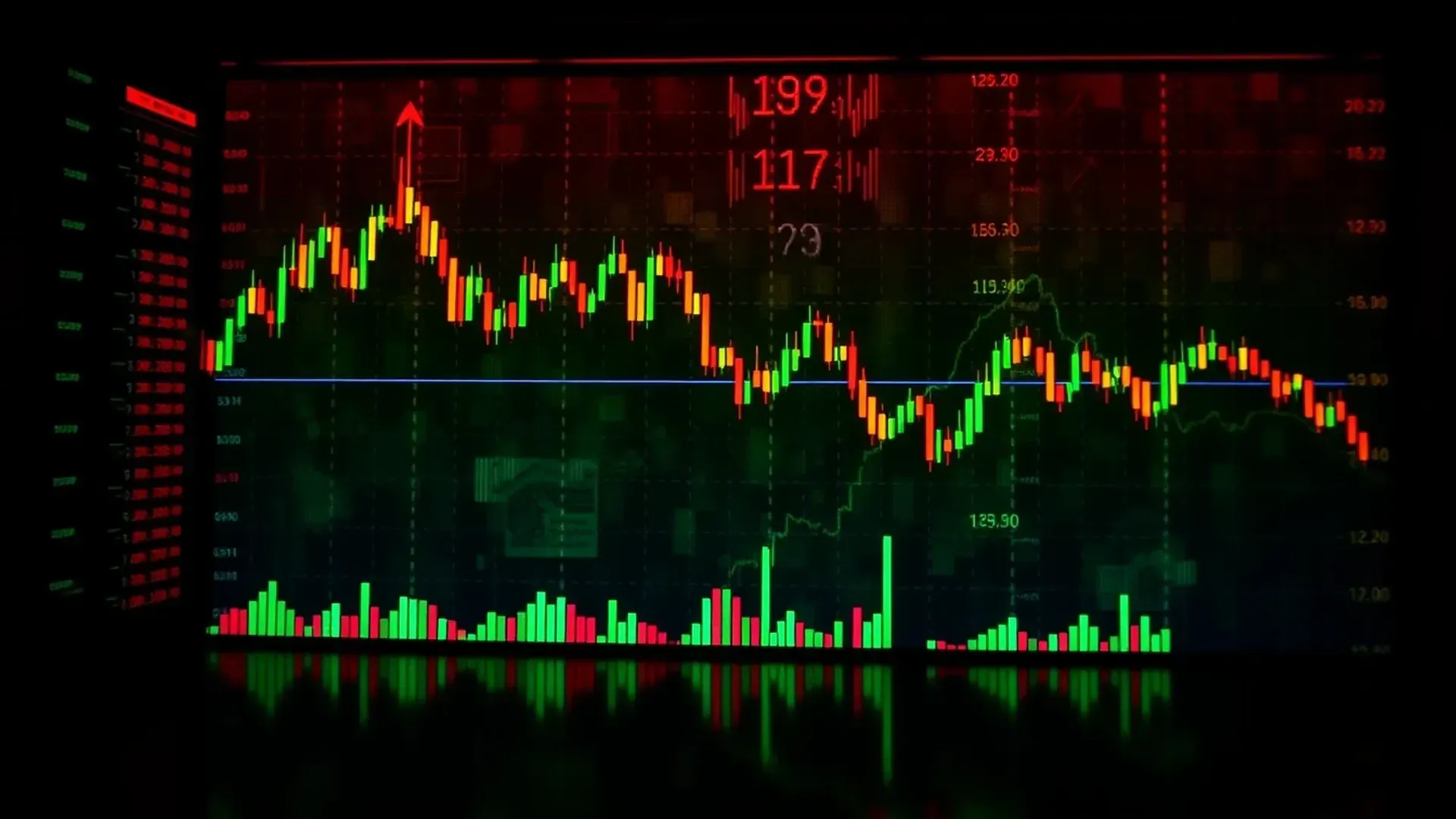
The closing price is a crucial element in forex trading analysis as it provides valuable information about the market sentiment and helps identify bullish and bearish trends. By understanding how to interpret the closing price, traders can gain insights into the overall market direction and make informed trading decisions. In this article, we will explore how to use the closing price to identify bullish and bearish trends in forex trading.
Understanding the Importance of Closing Price in Forex Trading
Understanding the Importance of Closing Price in Forex Trading
When it comes to forex trading, there are many factors to consider in order to make informed decisions. One of the most important factors is the closing price. The closing price refers to the final price at which a currency pair is traded for the day. It is a crucial piece of information that can help traders identify bullish and bearish trends in the market.
The closing price is significant because it represents the overall sentiment of traders at the end of the trading day. It reflects the collective decision-making of market participants and can provide valuable insights into the future direction of a currency pair. By analyzing the closing price, traders can gain a better understanding of market sentiment and make more accurate predictions about future price movements.
In forex trading, a bullish trend refers to a period of time when prices are rising. This indicates that buyers are in control and there is an overall positive sentiment in the market. On the other hand, a bearish trend refers to a period of time when prices are falling. This indicates that sellers are in control and there is an overall negative sentiment in the market.
By analyzing the closing price, traders can identify the presence of a bullish or bearish trend. If the closing price is consistently higher than the previous day’s closing price, it suggests a bullish trend. This means that buyers are willing to pay higher prices for the currency pair, indicating a positive sentiment in the market. Conversely, if the closing price is consistently lower than the previous day’s closing price, it suggests a bearish trend. This means that sellers are willing to accept lower prices for the currency pair, indicating a negative sentiment in the market.
It is important to note that the closing price alone is not enough to determine the strength or duration of a trend. Traders should also consider other technical indicators and market factors to confirm their analysis. However, the closing price can serve as a useful starting point for identifying potential trends and making informed trading decisions.
In addition to identifying trends, the closing price can also be used to set stop-loss and take-profit levels. A stop-loss order is a predetermined price at which a trader will exit a trade to limit potential losses. By setting a stop-loss level below the closing price in a bullish trend, traders can protect their profits in case the market reverses. Similarly, in a bearish trend, setting a stop-loss level above the closing price can help minimize losses if the market suddenly turns bullish.
On the other hand, a take-profit level is a predetermined price at which a trader will exit a trade to secure profits. By setting a take-profit level above the closing price in a bullish trend, traders can lock in their gains if the market continues to rise. In a bearish trend, setting a take-profit level below the closing price can help secure profits if the market continues to fall.
In conclusion, the closing price is a crucial piece of information in forex trading. It can help traders identify bullish and bearish trends, set stop-loss and take-profit levels, and make informed trading decisions. By analyzing the closing price along with other technical indicators and market factors, traders can increase their chances of success in the forex market. So, next time you analyze a currency pair, don’t forget to pay close attention to the closing price.
Identifying Bullish Trends in Forex Trading Using Closing Price
When it comes to forex trading, one of the key skills that traders need to develop is the ability to identify bullish and bearish trends. These trends can provide valuable insights into the direction that a currency pair is likely to move in the future, and can help traders make more informed decisions about when to buy or sell.
One of the most commonly used tools for identifying trends in forex trading is the closing price. The closing price is simply the price at which a currency pair closes at the end of a trading session. By analyzing the closing price over a period of time, traders can gain a better understanding of whether a currency pair is in a bullish or bearish trend.
So how exactly can you use the closing price to identify bullish trends in forex trading? Well, one of the first things you can do is look for a series of higher closing prices. In a bullish trend, the closing price of a currency pair will generally be higher than the previous closing price. This indicates that buyers are in control and that the currency pair is likely to continue moving higher.
Another way to identify a bullish trend using the closing price is to look for a series of higher highs and higher lows. In a bullish trend, each high and low will be higher than the previous one, indicating that the currency pair is consistently moving higher. This is a strong indication that the trend is likely to continue.
It’s also important to pay attention to the length of the bullish trend. If the closing price has been consistently higher for a long period of time, it suggests that the trend is strong and likely to continue. On the other hand, if the bullish trend has only been in place for a short period of time, it may be a sign that the trend is weak and could reverse soon.
Now let’s talk about how to use the closing price to identify bearish trends in forex trading. Just like with bullish trends, one of the first things you can do is look for a series of lower closing prices. In a bearish trend, the closing price of a currency pair will generally be lower than the previous closing price. This indicates that sellers are in control and that the currency pair is likely to continue moving lower.
Another way to identify a bearish trend using the closing price is to look for a series of lower highs and lower lows. In a bearish trend, each high and low will be lower than the previous one, indicating that the currency pair is consistently moving lower. This is a strong indication that the trend is likely to continue.
As with bullish trends, it’s important to pay attention to the length of the bearish trend. If the closing price has been consistently lower for a long period of time, it suggests that the trend is strong and likely to continue. However, if the bearish trend has only been in place for a short period of time, it may be a sign that the trend is weak and could reverse soon.
In conclusion, the closing price is a valuable tool for identifying bullish and bearish trends in forex trading. By analyzing the closing price over a period of time and looking for patterns of higher or lower prices, traders can gain valuable insights into the direction that a currency pair is likely to move. So the next time you’re analyzing a currency pair, be sure to pay close attention to the closing price – it could be the key to identifying a profitable trend.
Using Closing Price to Spot Bearish Trends in Forex Trading
When it comes to forex trading, one of the most important things to understand is how to identify bullish and bearish trends. These trends can greatly impact your trading decisions and ultimately determine whether you make a profit or a loss. In this article, we will focus on using the closing price to spot bearish trends in forex trading.
The closing price is the last price at which a currency pair traded during a particular trading session. It is an important piece of information because it reflects the overall sentiment of traders at the end of the session. By analyzing the closing price over a period of time, you can gain insights into the direction in which the market is moving.
One way to use the closing price to spot bearish trends is by looking for a series of lower closing prices. This indicates that sellers are in control and that the market is moving downward. When you see a consistent pattern of lower closing prices, it is a strong indication that a bearish trend is in place.
Another way to use the closing price to spot bearish trends is by comparing it to the previous closing price. If the current closing price is lower than the previous closing price, it suggests that the market is moving in a bearish direction. This is because traders are willing to sell at a lower price, indicating a lack of confidence in the currency pair.
In addition to analyzing the closing price itself, you can also use technical indicators to confirm a bearish trend. For example, you can use moving averages to smooth out the price data and identify the overall direction of the market. If the closing price is consistently below the moving average, it suggests a bearish trend.
It is important to note that spotting a bearish trend using the closing price is not a foolproof method. The forex market is influenced by a multitude of factors, including economic news, geopolitical events, and market sentiment. Therefore, it is always a good idea to use multiple indicators and analysis techniques to confirm your trading decisions.
In conclusion, the closing price is a valuable tool for identifying bearish trends in forex trading. By analyzing the closing price over a period of time and comparing it to previous closing prices, you can gain insights into the direction in which the market is moving. Additionally, using technical indicators can help confirm a bearish trend. However, it is important to remember that the forex market is complex and influenced by various factors, so it is always wise to use multiple indicators and analysis techniques to make informed trading decisions.
Strategies for Utilizing Closing Price to Identify Bullish and Bearish Trends in Forex Trading
When it comes to forex trading, one of the most important things to understand is how to identify bullish and bearish trends. These trends can help traders make informed decisions about when to buy or sell currencies. One tool that can be used to identify these trends is the closing price.
The closing price is the final price at which a currency pair is traded for the day. It is an important indicator because it reflects the overall sentiment of traders at the end of the trading day. By analyzing the closing price over a period of time, traders can gain insights into whether the market is trending up or down.
To identify bullish trends using the closing price, traders should look for a series of higher closing prices over a period of time. This indicates that buyers are in control and that the market is moving upward. Traders can use this information to enter long positions and ride the upward trend.
On the other hand, to identify bearish trends, traders should look for a series of lower closing prices over a period of time. This indicates that sellers are in control and that the market is moving downward. Traders can use this information to enter short positions and profit from the downward trend.
It’s important to note that the closing price should not be analyzed in isolation. Traders should also consider other technical indicators and market factors to confirm the trend. For example, traders can use moving averages or trend lines to further validate the bullish or bearish trend identified by the closing price.
In addition to identifying trends, the closing price can also be used to set stop-loss and take-profit levels. A stop-loss order is a predetermined level at which a trader will exit a trade to limit potential losses. By setting a stop-loss level below the closing price in a long position or above the closing price in a short position, traders can protect themselves from significant losses if the market reverses.
Similarly, a take-profit order is a predetermined level at which a trader will exit a trade to lock in profits. By setting a take-profit level above the closing price in a long position or below the closing price in a short position, traders can ensure that they capture a portion of the trend’s movement.
In conclusion, the closing price is a valuable tool for identifying bullish and bearish trends in forex trading. By analyzing the closing price over a period of time, traders can gain insights into the market sentiment and make informed decisions about when to enter or exit trades. However, it’s important to remember that the closing price should be used in conjunction with other technical indicators and market factors to confirm the trend. Additionally, the closing price can be used to set stop-loss and take-profit levels to manage risk and lock in profits.
Conclusion
In conclusion, the closing price can be used to identify bullish and bearish trends in forex trading. A higher closing price indicates a bullish trend, suggesting that buyers are in control and the price may continue to rise. Conversely, a lower closing price suggests a bearish trend, indicating that sellers are dominant and the price may continue to decline. Traders can analyze the closing prices over a specific period to determine the overall trend and make informed trading decisions.